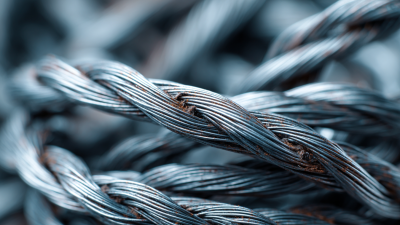
Picking the right Metal Gimped Wire for your project can really make a difference in how everything turns out. I mean, Dr. Emily Carter from Steel Innovations puts it best — she says that choosing the correct wire is key to getting that perfect combo of durability and style. When you're trying to decide, it's super important to think about the wire’s material, its thickness (or gauge), and what you're actually planning to use it for.
Metal Gimped Wire is pretty versatile and strong, which is great, but different projects need different qualities. Whether you're making jewelry or building something a little more sturdy, the right gauge can vary — what works for one thing might be too fragile for another. It’s kinda like a balancing act, you know?
And honestly, a lot of folks overlook this, but testing samples before diving in is so important. Relying only on what’s on the packaging can be misleading sometimes. Spend a little extra time checking things out, maybe even chat with pros if you can. Doing a bit of experimenting might surprise you with what it can do. At the end of the day, choosing the right Metal Gimped Wire can really take your project from just okay to something truly outstanding.
Metal gimped wire is often used in various creative projects, including jewelry making, crafts, and even industrial applications. Understanding the different types of this wire can help you make informed choices. There are primarily two types: aluminum and copper. Aluminum gimped wire is lightweight and affordable, making it a popular choice among hobbyists. In contrast, copper offers superior conductivity, which is essential for specific electrical applications. According to a report by Market Research Future, the demand for metal wires is expected to grow at a CAGR of 5.1% from 2021 to 2028.
When evaluating metal gimped wire, consider its gauge and finish. The wire gauge determines its thickness, affecting strength and flexibility. Generally, lower gauge numbers indicate thicker wire, while higher numbers denote thinner wire. A study published by the International Journal of Engineering Research notes that thicker wire is often more durable but less malleable. Additionally, finishes vary, such as polished or matte, impacting both aesthetics and corrosion resistance. This variety allows for unique applications but may lead to confusion for beginners.
Choosing the right type of wire can be challenging. While aluminum is great for lightweight crafts, its durability may fall short for high-stress applications. Copper's advantages sometimes come at a higher cost, which can deter small-scale artists. Users often find themselves weighing aesthetics against functionality. Selecting the wrong type can result in projects that do not hold up over time, highlighting the importance of thorough research. Balancing experience and the specific demands of your project is crucial for a successful outcome.
Choosing the right metal gimped wire for your project starts with understanding your specific needs. Consider the type of project you are pursuing. Jewelry making, crafts, and home décor all require different wire characteristics. Each project has its own demands that inform the gauge, color, and finish of the wire you select.
When selecting wire, think about the weight it needs to support. Lightweight projects may benefit from thinner wires, while heavier items require thicker wires for stability. Additionally, the wire’s flexibility should be assessed. A more flexible wire can be easier to manipulate, but it may not always be suitable for sturdiness.
Tips: Test samples before making a final decision. It’s easy to underestimate the wire type you may need. Experimenting allows you to gauge how the wire behaves under different circumstances, leading to better results. Also, take note of the finished look; it should align with your aesthetic vision. Recognizing these factors can help refine your choices and yield satisfying results.
| Project Type | Wire Material | Wire Diameter | Strength Rating | Corrosion Resistance | Best Applications |
|---|---|---|---|---|---|
| Jewelry Making | Copper | 0.5 mm | Moderate | Low | Beading, hooks, and clasps |
| Crafts | Aluminum | 1 mm | Low | High | Wire sculptures, frames |
| Home Décor | Stainless Steel | 0.8 mm | High | Very High | Wall art, hangers |
| Industrial Use | Galvanized Steel | 2 mm | Very High | High | Construction, supports |
| Garden Projects | Copper | 1.5 mm | Moderate | Low | Plant supports, trellises |
When choosing metal gimped wire, evaluating wire gauge and thickness is crucial for durability. The American Wire Gauge (AWG) system is a standard that helps in selecting the right wire. Thicker wires generally offer higher strength, making them more suitable for rigorous projects. For instance, a 16-gauge wire can bear more stress than a 22-gauge wire. This gap in tolerance is essential when considering the wire's application.
Research indicates that wires between 16 and 20 AWG provide a balance between flexibility and strength. These gauges are versatile for crafting, jewelry making, and even home repairs. However, using a gauge that is too thin may lead to breakage under pressure. Additionally, a wire that is excessively thick can be challenging to manipulate, especially in intricate designs.
Durability also depends on the wire's material composition. Some alloys may corrode easily, while others withstand harsh conditions better. Evaluating specific needs based on project goals can help avoid premature failure. It's essential to weigh the pros and cons when selecting wire thickness, as the wrong choice may require redoing work. Balancing strength concerns with practical application is a nuanced decision that ultimately defines project success.
When choosing the right metal gimped wire, the material greatly influences your project outcome. Aluminum, copper, and brass each have unique qualities. Aluminum is lightweight and resistant to corrosion. It’s excellent for everyday crafting projects where durability is needed without excess heft. Copper is more malleable, making it easier to shape. It's ideal for detailed work and adds a rich, warm tone to your designs. Brass stands out for its strength and aesthetic appeal. It works best in projects that require both beauty and durability.
Tip: Consider the weight of your project. If portability is key, aluminum might be your best bet. For jewelry making, copper can provide intricate details. Brass suits structural designs or decorative elements.
Taking time to reflect on your project requirements will guide your material choice. Test samples if possible. Explore how each metal behaves when worked. Even the best-crafted projects may reveal flaws. It’s part of the learning process. Embrace mistakes; they enhance future craftsmanship.
When selecting metal gimped wire, color and finish options greatly impact a project’s aesthetics. A recent report from the Metal Finishing Association reveals that over 73% of consumers cite color as crucial in their purchasing decisions. This statistic emphasizes the importance of thoughtful color selection. For instance, vibrant colors can evoke energy, while muted tones may convey sophistication. Matching the wire color with project themes can enhance visual appeal.
The finish of the wire also plays a critical role. A polished or shiny surface can create a modern look, while a matte finish often lends a rustic charm. According to the Decorative Wire Association, finishes like anodized or coated wires can increase longevity and resist tarnishing. However, these finishes may occasionally show imperfections. A good practice is to embrace minor flaws, as they can add character to your project. Reflecting on your finish choice ensures it aligns with your artistic vision while also considering functionality.
In addition, experimenting with combinations of color and finish can yield unique outcomes. Mixing glossy and matte finishes in a single piece can create visual interest. However, balance is essential to avoid overwhelming viewers. Designers often need to assess how various combinations affect overall harmony. Understanding these facets not only helps in choosing the right metal gimped wire but also encourages creative exploration.
When choosing the right metal gimped wire, workability and flexibility are crucial. Different wires exhibit varying performance levels under different conditions. According to industry reports, wires made of copper provide excellent flexibility. They bend easily without breaking, making them suitable for intricate designs. In contrast, aluminum wires are lighter, giving a unique quality to projects that require less weight.
The gauge of the wire also influences workability. Thinner wires can be manipulated more easily, ideal for detailed work. However, they may lack strength in larger applications. This is a common trade-off that crafters must consider. A report from the Aerospace Industries Association indicates that high-tensile strength wires are less flexible but necessary for structural integrity in aerospace applications. Finding the balance can be challenging. Many artisans find that experimenting with different gauges can lead to surprising outcomes.
Additionally, it is essential to consider the wire's surface finish. Polished wires can slide smoothly through techniques like weaving. Yet, rougher finishes provide better grip, making them less slippery during crafting. Each metal has its unique properties, and their responsiveness varies. Testing various options can foster creativity but also lead to frustration. Understanding these factors is vital for successful projects.
When it comes to sourcing quality metal gimped wire, several options are available. Local craft stores often stock a variety of materials. However, the selection might be limited. Sometimes, the prices can be higher than expected. It’s essential to compare options before making a purchase.
Online shopping has become a popular choice for many. Numerous websites specialize in metal supplies. They often offer extensive selections at competitive prices. However, shipping costs and delivery times can vary significantly. Always read reviews and check seller ratings before buying. This can help ensure you're getting a reliable product.
Consider joining local crafting groups as well. Members often share where to find the best supplies. You may discover hidden gems or local suppliers with great materials. Engaging with the community can offer valuable insights. Sometimes, what looks like a deal may not be. Research and personal experiences can guide your choices effectively. This sometimes requires a more hands-on approach than just clicking a button.
Enhancing your crafts with silver foil tinsel wire offers a unique way to elevate your projects, infusing them with a touch of elegance and creativity. This versatile wire is made from high-strength silver-plated copper, which provides both flexibility and durability. The wire is wrapped in textile filaments such as polyamide or aramid, allowing it to withstand various levels of bending and shaping without compromising its integrity. This combination not only enriches the aesthetic quality of your crafts but also ensures that your creations endure over time.
The applications for silver foil tinsel wire are vast and varied. For instance, you can use it to embellish holiday decorations, creating eye-catching garlands or wreaths that shimmer and sparkle. The flexibility of the wire makes it ideal for intricate designs, allowing crafters to mold and twist it into captivating shapes. Additionally, it can be integrated into jewelry making, serving as a striking accent for bracelets and necklaces. The adaptability of the wrapped textile filaments means that you can customize your crafting experience based on your project needs, whether you're looking for strength, flexibility, or a specific texture.
With silver foil tinsel wire, your creative possibilities are endless. Whether you are a seasoned crafter or just starting your journey, this silver-plated copper wire provides an exciting medium to explore your artistic expressions. Engage in a variety of crafting techniques, from weaving and wrapping to beading and forming, and watch how this remarkable material transforms your projects into works of art.
: It is used in jewelry making, crafts, and industrial applications.
The two main types are aluminum and copper.
Aluminum is lightweight and affordable, making it great for hobbyists.
Copper offers superior conductivity, essential for certain electrical applications.
Lower gauge numbers mean thicker wire, which is usually stronger but less flexible.
Finishes can be polished or matte, affecting both appearance and corrosion resistance.
Evaluate durability, weight, and project requirements to guide your choice.
It may not hold up well in high-stress applications.
Brass offers strength and aesthetic appeal for durable and beautiful designs.
Embrace mistakes as part of learning; they improve future craftsmanship.
Choosing the right Metal Gimped Wire for your projects involves several key considerations. First, understanding the various types and characteristics of Metal Gimped Wire is essential, as this will help you identify your specific project needs. Factors such as wire gauge and thickness play a crucial role in determining the durability of the wire, while selecting the appropriate material—whether aluminum, copper, or brass—can significantly impact functionality and aesthetic appeal.
Additionally, evaluating color and finish options is important for achieving the desired look in your projects. The workability and flexibility of different wires also affect how easily they can be manipulated for your intended use. Finally, budgeting and sourcing are critical steps to ensure you acquire quality Metal Gimped Wire at a reasonable price. By carefully considering these aspects, you can make an informed choice that aligns perfectly with your project requirements.