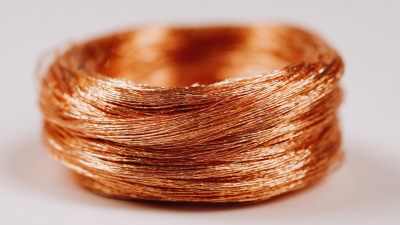
When you're diving into the world of crafting, picking the right materials really makes all the difference, you know? Copper Tinsel Wire, for example, is pretty awesome because it's so versatile and can be used in a bunch of different projects. I remember John Silverman from SilverTech Creations once said, “Using the right wire really takes your work to the next level,” and honestly, he's got a good point. That quote kinda captures how important it is to choose quality stuff.
Now, Copper Tinsel Wire has some pretty cool features—it's durable but also looks great. Its shiny, lustrous finish can really add charm, whether you're making jewelry or sprucing up your home decor. That said, not all copper tinsel wires are created equally. Some might tarnish pretty quickly, or sometimes the wire can be a bit stiff, which makes intricate designs tricky.
Working with Copper Tinsel Wire can be a bit of a learning curve—honestly, it takes some practice and patience. If you're just starting out, you might find it a little challenging to handle compared to more traditional materials. It’s not exactly the easiest stuff to work with, but trust me, with some experimentation and experience, you’ll start seeing the difference. Oh, and by the way, if you’re doing this in 2026, it’s worth keeping an eye out for the best options around. Picking the right Copper Tinsel Wire can really make your creations pop!
When selecting copper tinsel wire for your project, consider its thickness and flexibility. Thinner wires offer more versatility, allowing for intricate designs. If your project requires strength, a thicker gauge might suit better. Test both options before committing. Measure your needs carefully to ascertain the right balance.
Another key factor is the wire's finish. Some wires have a shiny coating, while others appear more muted. The finish can impact the overall look of your finished work. Experimenting with different finishes can yield surprising results. Don't hesitate to mix and match for unique effects throughout your project.
Finally, think about the wire's compatibility with other materials. Copper tinsel wire can interact differently with plastic, fabric, or other metals. Over time, corrosion or tarnishing may alter appearances. Document any changes you observe for future reference. Reflect on your experiences and adjust your choices accordingly.
When exploring copper tinsel wire, it's essential to grasp the various types available. Copper tinsel wire radiates a distinct shine. It's often used for crafts, decorations, and electrical projects. There are multiple gauges to choose from. Thinner wires are more flexible but less durable. They are easier to manipulate for intricate designs. Thicker wires offer strength but can be challenging to shape.
Understanding the differences in coatings is also vital. Some wires have a simple metallic finish, while others are coated for additional protection. Coated options resist tarnishing and wear. However, they may not provide the same visual appeal as pure copper. Each type has its benefits and downsides. Carefully consider your project’s needs. A choice made hastily can lead to frustrating results.
Working with copper tinsel wire invites experimentation. Beginners might find it overwhelming at first. The learning curve can be steep, but patience yields beautiful outcomes. Keep in mind that practice makes perfect. Embrace mistakes; they are part of the creative process. Choosing the right type can enhance your project, making it stand out beautifully.
When selecting copper tinsel wire for your projects, consider key features that can enhance your crafting experience. The thickness of the wire matters significantly. A wire that's too thin may not hold its shape well, while one that is too thick can be challenging to manipulate. Look for a balance that works best for your specific needs. Flexibility is crucial, especially for intricate designs. A highly flexible wire allows for better curves and twists without breaking.
The finish of the copper wire can also make a difference. A shiny, polished surface can add a touch of elegance to your creations. However, be cautious about tarnishing over time. Protective coatings can help maintain that lovely luster. It’s useful to factor in the color of the wire, too. While classic copper is always attractive, options in various colors may complement your project better.
Lastly, consider the overall weight of the wire. Heavier wire can provide a sturdy foundation for larger projects, while lighter varieties are ideal for delicate work. Remember, perfection is not always the goal. Sometimes, imperfections add character and uniqueness to your crafts. Reflect on what type of copper tinsel wire aligns with the vision of your next project.
When considering copper tinsel wire for your next project, it's crucial to weigh its advantages and disadvantages. Research shows that copper tinsel offers excellent conductivity, making it ideal for various electrical projects. According to industry reports, copper wire's electrical conductivity can reach up to 97% IACS, which means it efficiently transmits electrical signals. This feature is invaluable in applications requiring reliable performance. However, the tensile strength of copper tinsel is relatively low compared to other metals. This can lead to breakage if excessive force is applied.
Additionally, copper tinsel wire may tarnish over time, affecting its aesthetic appeal. Some users report that the beautiful shine diminishes, requiring frequent cleaning or protective coating. Furthermore, due to its malleability, copper tinsel can be easily bent and shaped, which is both a pro and a con. While this flexibility allows creative designs, it can also mean that fine details may not hold up under stress.
In terms of cost, copper tinsel tends to be on the higher end compared to aluminum alternatives. Market analyses indicate that the price difference is significant, with copper being about 20% more expensive. This factor can be a deterrent for budget-conscious projects. It’s essential to assess your project’s requirements carefully before deciding whether copper tinsel wire is the best choice for you.
When selecting copper tinsel wire for your next creative project, it's crucial to consider its various offerings. Many popular brands prioritize quality and durability, ensuring that their wires are made from pure copper. This purity enhances conductivity and flexibility, making it easier for artists and DIY enthusiasts to manipulate the wire for different applications.
Different brands provide various gauges and lengths of copper tinsel wire. A thicker gauge can add strength but may lack the finesse that finer gauges offer. It's important to weigh the pros and cons. Some wires are coated for rust resistance, while others embrace a natural finish. The right choice can greatly affect your project's outcome.
While browsing options, take the time to read product reviews. Feedback from other users can offer insights into a brand's reliability. Look for comments on ease of use and performance over time. It's easy to overlook the subtleties of wire types, but these details can enhance your overall experience and final product.
Copper tinsel wire is a popular choice for crafting. Its shiny finish adds a special touch to any project. However, working with it can be tricky. Here are a few tips to help you get started.
When cutting copper tinsel wire, use sharp scissors or wire cutters. Dull tools can leave frayed edges. Always cut with care to avoid injury. It’s also important to wear gloves. This protects your hands from sharp ends. If the wire scratches your skin, it can be painful.
Consider using a wire jig for intricate designs. This tool simplifies the bending process. It keeps your project organized and neat. Don’t be afraid to experiment with different shapes. Remember, mistakes can lead to unique outcomes. Keep an open mind, as your initial concept may evolve into something unexpected.
Lastly, secure your wire properly. Use hot glue or adhesive to ensure it stays in place. Inconsistent gluing can lead to a weak structure. Always double-check your work to catch any mistakes early. Copper tinsel wire can transform your crafts, but only if managed with care and focus.
| Wire Gauge | Length (ft) | Color | Usage | Price ($) |
|---|---|---|---|---|
| 20 | 10 | Copper | Jewelry Making | 5.99 |
| 22 | 25 | Copper | Crafting | 8.49 |
| 24 | 50 | Antique Copper | Home Decor | 12.99 |
| 26 | 15 | Rose Gold | Art Projects | 7.99 |
| 28 | 30 | Bright Copper | Floral Arrangements | 10.99 |
Copper tinsel wire is a popular choice for various creative projects, but proper maintenance is key to its longevity. Data from the International Wire and Cable Symposium suggests that storing copper wire correctly can extend its life by up to 30%. Keeping it in a cool, dry place minimizes oxidation. Moisture can lead to corrosion, which compromises the wire's quality and performance.
Handling copper tinsel wire requires care. Always clean your hands before touching the wire. Oils and dirt can accumulate, affecting its shimmer. Consider using gloves if you're working in damp environments. It's essential to inspect the wire regularly for any signs of wear. A study published by the Institute of Electrical and Electronics Engineers found that early detection of corrosion can prevent costly replacements.
When not in use, store the wire in a protective bag or container. This helps keep dust and moisture at bay. However, avoid overly tight storage that could kink the wire. The balance between protection and access is crucial. Once you’ve established a routine for maintenance, consider reviewing your methods periodically. Mistakes happen, and reflecting on your process will lead to better practices in the future.
Copper foil tinsel wire has emerged as a versatile tool in the crafting and DIY communities. This composite conductor features a core material that provides both support and flexibility, while being wrapped in a highly conductive metal coating, typically pure copper. This unique structure not only enhances conductivity but also allows for intricate detailing in various projects. According to industry reports, the craftsmanship industry has seen a significant uptick in the use of copper materials, with a marked increase in interest for sustainable and versatile products that can elevate artistic expression.
The creative potential of copper foil tinsel wire is immense, especially for those engaging in DIY home decor and custom jewelry making. Artists and crafters report that the wire’s malleability enables them to create complex designs without compromising on strength. In addition to its aesthetic application, copper’s conductive properties make it ideal for creating illuminated items or integrating electronics into art pieces. Crafting with copper foil tinsel wire not only serves a decorative purpose but also allows crafters to explore functionality within their art, thus embodying a fusion of creativity and utility.
Emerging trends in crafting also highlight the growing preference for eco-friendly materials. The use of copper, which is recyclable and has inherent antimicrobial properties, positions copper foil tinsel wire as a sustainable choice for conscientious creators. As the trend for unique, handmade items continues to surge, this product stands out as a favored solution for innovative projects that marry beauty with ethical crafting practices.
: Thinner wires are versatile for intricate designs, while thicker wires provide strength. Test both to find your best fit.
The finish affects the look of your finished work. Experiment with different finishes for unique visual effects.
Yes, but be aware of interactions with plastic, fabric, or metals. Corrosion can change appearances over time.
Store it in a cool, dry place to minimize oxidation. Use protective bags to keep dust and moisture away.
Clean your hands before handling, and consider wearing gloves. Regularly inspect for wear and corrosion.
Early detection is important. Document any issues and replace the wire if necessary to avoid project disruptions.
Coated wires resist tarnishing but may lack visual appeal. Evaluate the needs of your project carefully.
Yes, it may be overwhelming initially. Be patient and embrace mistakes; they are part of the creative journey.
Avoid hasty choices without testing. Reflect on past experiences to improve your methods and prevent frustration.
Proper maintenance can extend the wire's life and performance significantly, enhancing your creative projects beautifully.
When selecting the best Copper Tinsel Wire for your project, it's essential to understand the various types available and their specific applications. Key features to consider include the wire's thickness, flexibility, and conductivity, all of which impact performance and suitability for different craft projects. While Copper Tinsel Wire offers excellent conductivity and aesthetic appeal, it also comes with certain drawbacks, such as susceptibility to tarnishing.
As you explore popular options in the Copper Tinsel Wire market, you’ll find a range of offerings that cater to diverse crafting needs. Working with this material involves using specific techniques to enhance its appearance and durability, along with proper maintenance and storage tips to ensure longevity. By understanding these factors, you can make informed decisions and effectively incorporate Copper Tinsel Wire into your next creative endeavor.