Picking out the right metal gimped wire can honestly feel pretty overwhelming. I mean, this kind of wire is used all over the place—whether you're into crafting or more industrial stuff. To make the best choice, you really need to get a handle on what it’s all about.
There are tons of companies out there offering different grades of this wire, each with its own quirks and features. It’s not just about the color or thickness—things like how flexible it is or how tough it’s gonna be matter just as much. If you don’t pay attention to those, you might end up frustrated, trust me.
So, your specific needs should pretty much steer your decision. Are you after something that looks good, or are you more concerned about how well it works? Asking yourself these kinds of questions helps you pick more wisely. Sometimes, a product might seem perfect at first glance, but digging a little deeper—checking out the details and reading reviews—can reveal some limits you didn’t see right away. Take your time, do some research, and you’ll end up with something that really fits what you’re after.
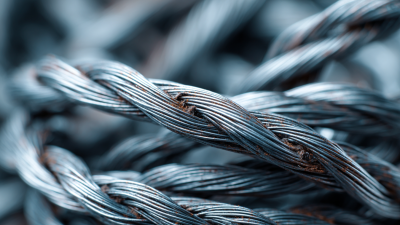
Metal gimped wire is a specialized type of wire used widely in various industries. It is characterized by its thin, flattened shape, which can enhance flexibility while maintaining strength. This wire is essential in applications ranging from jewelry making to industrial uses. The versatility of metal gimped wire allows artisans and manufacturers to create intricate designs and durable products.
According to a report from the Metal Wire Institute, the global demand for gimped wire has grown significantly, with an annual market increase of 4.5%. Industries are recognizing the benefits of using this material for its unique properties. It can be easily manipulated into different shapes, which is valuable for both artistic and functional applications. Additionally, metal gimped wire is corrosion-resistant, making it suitable for outdoor uses as well.
Despite the advantages, there are challenges in choosing the right type. Not all gimped wire has the same tensile strength or flexibility. Users often face difficulties in balancing these attributes for specific projects. Understanding the specifications of each type is crucial for achieving desired results. As the market evolves, potential users are encouraged to keep abreast of new developments and trends in metal gimped wire usage.
When selecting metal gimped wire, several key factors come into play. The gauge of the wire is crucial, as it affects both flexibility and strength. According to industry standards, gimped wire typically ranges from 18 to 30 gauge. A thicker wire might offer greater strength but less flexibility, making it essential to consider your specific needs.
Material composition is another important aspect. Stainless steel gimped wire is popular due to its corrosion resistance and durability. In contrast, aluminum gimped wire is lightweight but less sturdy. Data from a recent market analysis shows that 60% of professionals prefer stainless steel for outdoor projects due to its longevity.
Tip: Always test a small sample before committing to a large order. It’s helpful to see how the wire behaves in your specific application.
Another factor is the finish of the wire. A polished finish can enhance aesthetics while reducing friction, but it may be more challenging to work with. Be mindful of these characteristics during your selection process.
Tip: Consider the intended environment for the wire usage. Different finishes perform differently under various conditions, especially in high-moisture areas. Understanding these nuances can significantly impact your project's success.
When selecting metal gimped wire, understanding the different types is crucial. Two common types are aluminum and copper gimped wires.
Aluminum wires are lightweight and resistant to corrosion. This makes them ideal for outdoor applications. Reports indicate that aluminum gimped wire market growth is substantial, projected to increase by 5.6% annually over the next five years.
On the other hand, copper gimped wire offers superior conductivity. About 60% of electrical applications utilize copper due to its efficiency. However, copper weight can be a disadvantage in certain projects. The choice often depends on the specific requirements of the application. For example, artists might prefer lightweight aluminum for intricate designs, while electrical engineers opt for copper to ensure performance.
Choosing the right type involves assessing specific needs. Each metal has its strengths and weaknesses. It can be challenging to navigate all the options. Engaging with professionals or using detailed industry reports can clarify preferences. Remember, a deeper understanding leads to better decision-making.
When selecting metal gimped wire, understanding thickness and strength is crucial.
Thickness directly affects the wire's weight and flexibility.
Thicker wire can bear more weight, making it suitable for heavy applications.
Conversely, thinner wire is lighter but less durable.
It's vital to match the wire thickness with your project needs.
Strength is another key factor. Different materials offer varying tensile strengths.
Consider the load your project will carry. Experimenting with materials can lead to surprising results.
Sometimes, a wire that feels flimsy can hold more than expected.
Testing wire in real conditions helps gauge its strength. Make prototypes if possible.
This step reveals how the wire reacts to stress.
Often, initial assumptions about strength may need adjustment. Stay observant and open to changes throughout your project.
Be ready to adapt your choice based on hands-on experience.
When selecting metal gimped wire, the coating plays a crucial role in both durability and aesthetics. Different coatings offer various levels of protection against corrosion, wear, and scratches. Consider the environment where your wire will be used. For outdoor applications, a protective layer like galvanization may be ideal to withstand harsh weather. In contrast, for indoor projects, an enamel or powder coating can provide an appealing finish.
The aesthetic aspect is equally important. The right coating can enhance the visual appeal of your project. Color options are abundant, allowing for customization to match your design needs. However, choosing a coating isn’t just about looks. Some coatings can wear over time, revealing the metal underneath. This can lead to an unintended distressed look. It’s essential to balance beauty with functionality.
Testing different coatings is essential. What works in theory may not perform well in practice. Some coatings chip easily, while others may alter the wire’s flexibility. Reflection on your specific needs and the wire's application is key. Engage with experts or delve into reviews to gauge real-world experiences. This informed approach will help ensure you make a wise choice that meets your requirements.
When purchasing metal gimped wire, many buyers overlook crucial aspects. One common mistake is not considering the wire's intended use. Different projects may require specific types of gimped wire. It’s important to choose a wire that matches your project’s needs. For instance, decorative uses may benefit from a lighter gauge, while structural applications need something sturdier.
Another mistake is failing to evaluate the wire's quality. Not all metal wires are made equal. Check for smooth finishes and absence of defects. Imperfections can lead to issues down the line. Always request samples when possible. This helps in assessing how well the wire meets your expectations.
Lastly, buyers often neglect to compare pricing and quality effectively. It’s tempting to go for the cheapest option. However, research shows that low-cost wires might compromise durability. Long-term savings can come from investing in higher-quality products. Reflections on your choices can lead to better outcomes in your projects.
Taking care of metal gimped wire products is crucial for their longevity. Regular cleaning helps prevent rust and oxidation. Use a soft cloth to wipe them down after use. This simple step can keep the wire looking new. Additionally, storing them properly is essential. Avoid damp areas, as moisture can cause corrosion. A dry, cool place is ideal for storage.
Inspect the wires periodically for any signs of wear or damage. Small imperfections can compromise their effectiveness. If you notice fraying or kinks, it may be time to replace them. Be mindful of how you handle the wire during projects. Rough handling can result in unnecessary wear.
Using specialized lubricant can enhance performance. Apply it sparingly to reduce friction and prolong the usability of the wire. However, don’t overdo it. Too much lubricant can attract dirt. Keeping a checklist for maintenance tasks is helpful. This can ensure you don’t overlook important steps in care.
| Type of Metal Gimped Wire | Recommended Use | Diameter (mm) | Advantages | Maintenance Tips |
|---|---|---|---|---|
| Copper Gimped Wire | Electrical applications and crafts | 0.5 - 1.5 | Excellent conductivity and flexibility | Keep dry and avoid exposure to harsh chemicals |
| Aluminum Gimped Wire | Lightweight structures and decorations | 0.8 - 2.0 | Corrosion-resistant and lightweight | Avoid humidity to prolong lifespan |
| Stainless Steel Gimped Wire | Heavy-duty applications and outdoor use | 1.0 - 3.0 | High tensile strength and durability | Clean regularly to prevent rust |
| Brass Gimped Wire | Crafts and artistic projects | 0.6 - 1.2 | Aesthetic appeal and good flexibility | Keep away from moisture to prevent tarnishing |
When it comes to crafting, the right materials can elevate your projects from ordinary to extraordinary. One such remarkable material is silver foil tinsel wire, a unique blend of creativity and functionality. This silver-plated copper wire, designed with high strength and flexibility, is wrapped in textile filaments, making it a versatile choice for various craft applications. The combination of materials not only enhances the durability of the wire but also adds a shimmering quality, making it perfect for decorative elements.
The use of wrapped textile filaments, which can include polyamide or aramid, ensures that the conductor wire remains pliable and easy to work with. This flexibility allows crafters to bend, twist, and shape the wire into intricate designs without the risk of breakage. Whether you’re creating elegant jewelry pieces, stunning home decor, or eye-catching art installations, the shimmering allure of silver foil tinsel wire can bring a magical touch to your creations. The interplay of light on the metallic surface adds depth and visual interest, ensuring that your projects stand out in any setting. Embrace the creativity that comes with this unique wire, and let your imagination lead the way in crafting stunning works of art.
: Metal gimped wire is a flexible and strong wire used in various crafting and industrial applications.
It offers flexibility, strength, and corrosion resistance, making it ideal for intricate designs and outdoor use.
Yes, it withstands wear and tear well, making it reliable in demanding conditions.
While it is durable, it can still rust if exposed to moisture. Protective coatings may be necessary.
It can be challenging to manipulate. Users should pay attention during installation to avoid mistakes.
A good pair of wire cutters is essential for cutting this type of wire efficiently.
Its complex nature can lead to challenges in crafting, which might discourage some users.
It is utilized in construction, fencing, and various crafting projects that require both stability and creativity.
It remains lightweight while maintaining strength, making it easy to work with for many applications.
Understanding environmental conditions can help prevent rust and extend the wire's longevity in applications.
When selecting the best Metal Gimped Wire for your needs, it's essential to understand its definition and various applications. This type of wire is characterized by its unique design, which enhances its strength and flexibility, making it suitable for a wide range of uses, from crafting to industrial applications. Key factors in choosing the right Metal Gimped Wire include wire thickness and strength, as well as the type of metal coating, which can impact both durability and aesthetic appeal.
Additionally, being aware of common mistakes when purchasing Metal Gimped Wire can help you make a more informed decision. It's vital to assess your project requirements carefully and to follow maintenance and care tips to ensure the longevity of your Metal Gimped Wire products. By taking these considerations into account, you can select the ideal wire that meets your functional and artistic needs.