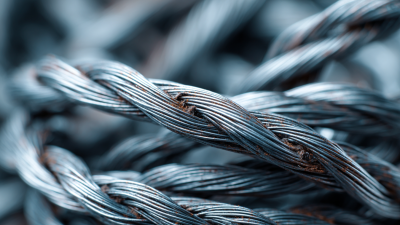
In today’s ever-changing world of industry, picking the right materials really can’t be overstated. Lately, Metal Gimped Wire has become a go-to for a lot of companies out there. I remember John Smith, a top expert over at Steel Innovations LLC, once mentioning, ‘Metal Gimped Wire provides unbeatable durability and flexibility, even in the toughest situations.’
This particular wire is pretty impressive because it can handle extreme conditions without losing its strength. You’ll find it used in everything from cars to planes, which just shows how versatile it really is. But here’s the thing — not all Metal Gimped Wire is the same. There are quality differences that can make a big impact on how well it performs, so it’s really important to choose carefully and source wisely.
Of course, it’s obvious that cost matters, but it’s not the only thing to think about. Sometimes, focusing solely on price can be a mistake if the quality and reliability aren’t up to par with your project’s needs. Getting a good grip on these details helps make smarter decisions. So yeah, Metal Gimped Wire is definitely worth considering, but you’ve gotta be selective and really do your homework before pulling the trigger.
Metal gimped wire offers significant advantages across various industries. Its unique construction enhances durability and flexibility. This makes it suitable for applications where resistance to wear and tear is crucial. For example, in automotive manufacturing, metal gimped wire is often used to create reliable connections that withstand vibrations.
In the construction sector, the wire’s strength is vital. It can support heavy loads in reinforcement applications. Engineers appreciate its resilience, especially in high-stress environments. Gimped wire reduces the risk of structural failures, contributing to safety.
Tip: Always evaluate the specific requirements of your industry before choosing materials. Consider the environment where the wire will be used. Ensure it aligns with your project needs.
Moreover, metal gimped wire can serve a variety of purposes, from electrical installations to fencing. Its versatility is a strong point. However, it is essential to assess its limitations, as not all types are suited for every application. Understanding these factors can help in making better procurement decisions.
Tip: Regularly review the performance of your materials. Learning from past projects can improve future choices. Balancing cost and quality is crucial for success.
Metal gimped wire is becoming a preferred choice in various industries. Its unique characteristics offer undeniable advantages, making it a staple in procurement. One of its key features is flexibility. Unlike standard wires, gimped wire can be bent and shaped without breaking. This property is crucial in applications requiring intricate designs.
Another important characteristic is its durability. According to a 2022 industry report by the Wire Association International, metal gimped wire shows a 25% increase in tensile strength compared to conventional wires. This enhanced strength means longer-lasting products, saving on replacement costs and maintenance. Additionally, it resists environmental factors like corrosion, making it suitable for outdoor use.
Weight is also a consideration. Gimped wire is lightweight, which makes it easier to transport and handle. However, this benefit can lead to some challenges in certain applications. For high-stress environments, engineers must assess the balance between weight and strength. Balancing these factors can lead to critical decisions in design and material selection. As industries evolve, understanding these properties becomes vital for effective procurement strategies.
Metal gimped wire stands out when comparing it to other materials, primarily due to its unique properties. A significant benefit is its enhanced strength. This wire offers resistance to wear and tear, making it suitable for heavy-duty applications. For instance, it's often used in crafting durable mesh products. Other materials like plastic might not withstand rough usage and can degrade over time.
Furthermore, metal gimped wire has excellent electrical conductivity. This feature is crucial for industries requiring strong electrical connections. In contrast, materials like rubber or certain plastics can act as insulators. Their limitations are evident in applications needing efficient energy transfer. While these alternatives may serve specific roles, they lack the versatility and reliability found in metal gimped wire.
It's essential to note that metal gimped wire is not perfect. It can be heavier than other materials, which may pose challenges in certain designs. Moreover, corrosion can occur if not treated or coated properly. These drawbacks require careful consideration when selecting materials for specific projects. In the end, weighing these factors is crucial for optimal decisions.
Metal gimped wire is gaining traction in various manufacturing sectors due to its unique properties and versatility. A report by MarketsandMarkets states that the global wire and cable market is expected to reach $258.33 billion by 2026, driven by the demand for high-performance materials. This indicates a growing recognition of specialized materials, including gimped wire, that enhance efficiency and durability in manufacturing processes.
Applications of metal gimped wire include automotive, aerospace, and construction industries. In automotive manufacturing, gimped wire is often used in harnesses and connectors due to its superior conductivity and resistance to harsh environments. According to the International Automotive Components Group, manufacturers see a 15% improvement in durability when using high-quality gimped wire compared to traditional options. This reliability is crucial in reducing maintenance costs over time, though the initial investment can be higher.
In the aerospace sector, gimped wire offers weight reduction benefits. The lightness enhances fuel efficiency while maintaining structural integrity. However, manufacturers must balance cost and performance. The knowledge that gimped wire can lead to long-term savings is vital, but understanding the upfront costs is equally important. The complexities in choosing the right type highlight the need for expert guidance, reflecting the ongoing conversation about optimizing material choices in industry practices.
When sourcing metal gimped wire, several key factors warrant careful consideration. The material’s mechanical properties are crucial, as they determine performance and durability. According to industry reports, metal gimped wire typically boasts superior tensile strength, which is essential for applications in construction and manufacturing. The specific alloy composition can also influence corrosion resistance, an important aspect in harsh environments.
It’s vital to evaluate suppliers based on their manufacturing standards. Look for companies that adhere to ISO 9001 certification, which ensures consistency in quality management. Reliability in supply chains can also impact procurement cycles. A study indicated that delays in wire delivery can cost businesses up to 20% in project overruns. Partnering with reputable suppliers mitigates these risks.
Tip: Always request a sample before making a larger purchase. This ensures that the wire meets your specifications. Furthermore, consider sourcing from multiple suppliers. This strategy can provide competitive pricing and backup options in case of supply disruptions. Assessing these factors will help optimize your procurement process and ensure the best material selection for your needs.
Metal gimped wire offers an affordable solution for various procurement needs. Its cost-effectiveness stems from the material's durability and versatility. This wire type is often cheaper than traditional wire options, particularly when considering bulk purchases. Companies can save significantly on raw material costs while maintaining quality in their projects.
Additionally, metal gimped wire can reduce maintenance expenses over time. Due to its robust nature, it requires less frequent replacement. This leads to lower operational costs. For industries reliant on reliable materials, selecting gimped wire ensures fewer disruptions and smoother workflows. However, it’s essential to assess specific project requirements.
Some users may overlook the importance of sourcing quality materials. Not all suppliers provide the same standards. Research is crucial to ensure reliable procurement. Exploring different options can also lead to better deals. While metal gimped wire appears cost-effective, careful evaluation will yield the best results for individual needs.
The sustainability of metal gimped wire is becoming increasingly significant. Designed to be durable, it minimizes waste during production. This efficiency not only conserves resources but also reduces the carbon footprint. Many industries require materials that last, and metal gimped wire meets this need. It is a robust choice for various applications, from automotive to construction.
However, the environmental impact should be scrutinized. While metal gimped wire has many benefits, mining metal can be harmful. Extracting raw materials often disrupts ecosystems and depletes local resources. It's vital to consider this before choosing materials. Recycled options are available, reducing the need for new metal. Companies must weigh their options, balancing benefits against potential environmental costs. Responsibility in procurement is more important than ever. Decisions should reflect a commitment to sustainability and care for the planet.
: Metal gimped wire is a strong and conductive material, ideal for various applications in manufacturing and construction.
It is strong, durable, and offers excellent electrical conductivity. It withstands wear and tear better than plastic alternatives.
It is widely used in automotive, aerospace, and construction industries due to its unique properties and reliability.
This property ensures efficient energy transfer, especially in connections where strong performance is crucial, like automotive and aerospace.
Yes, it can be heavier and prone to corrosion if not treated properly. These factors require careful material selection.
It improves durability in harnesses and connectors, leading to lower maintenance costs, although the initial price may be higher.
It contributes to weight reduction, enhancing fuel efficiency while maintaining structural integrity, which is essential for aircraft performance.
Yes, despite higher initial costs, gimped wire can provide long-term savings due to its durability and reduced maintenance needs.
They must balance cost, performance, and the specific needs of their projects, reflecting a need for expert guidance in material selection.
Absolutely. Its resistance to wear and tear makes it suitable for challenging conditions, ensuring reliability in various applications.
Metal Gimped Wire has emerged as a preferred choice across various industries due to its unique advantages and versatile applications. Its key characteristics—such as durability, flexibility, and resistance to corrosion—make it superior to other materials commonly used in manufacturing. When sourcing Metal Gimped Wire, it is essential to consider factors like tensile strength and wire gauge, ensuring compatibility with specific requirements.
Furthermore, Metal Gimped Wire offers cost-effectiveness in procurement, balancing initial investment with long-term performance benefits. Its sustainable production practices contribute positively to environmental impact, aligning with modern industry demands for eco-friendly solutions. Overall, the integration of Metal Gimped Wire into manufacturing processes presents numerous benefits that make it a smart choice for procurement needs.