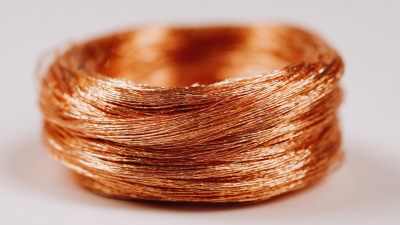
Finding high-quality copper wire is super important for a bunch of industries out there. Whether you're into electronics, construction, or even crafting, the need for reliable, top-notch materials never really goes away. Companies like Copper Wire Tech get how crucial it is to choose quality stuff—that’s what keeps things durable and performing well.
Picking the right supplier isn't just about grabbing the first deal you see, though. You gotta think about things like how pure the material is, how they make it, and whether they’ve got the proper certifications. Sometimes, suppliers can be a bit inconsistent with quality, so doing your homework—checking reviews and their reputation—really pays off.
And yeah, price is a big deal, but be careful. Cheaper doesn’t always mean better. Sometimes you get what you pay for, and settling for a lower cost might mean ending up with something sketchy or subpar. Finding that sweet spot between affordability and quality is key, and talking to folks who know the ropes can really help you avoid headaches. Bottom line: Don’t compromise on quality—that’s just not worth it.
Understanding high-quality copper metal wire is crucial for various applications. From electrical wiring to telecommunications, its quality impacts performance. High-quality copper ensures optimal conductivity, which is vital in minimizing energy loss. A wire made from pure copper offers better conductivity than alternatives that combine other metals.
When sourcing copper wire, consider its purity. The International Copper Association suggests aiming for at least 99.9% purity for top performance. Additionally, examine the wire's insulation. High-quality insulation prevents electrical leakage and enhances durability. Not all insulation materials perform equally, and the choice can influence longevity.
It's also essential to research suppliers thoroughly. Look for those with positive customer reviews and a track record of reliability. Engaging with industry experts can provide insights into sourcing decisions. Failing to prioritize quality can lead to long-term issues, such as system failures or increased maintenance costs. Strive for informed decisions to ensure that the copper wire you select meets all necessary standards.
When sourcing high-quality copper metal wire, identifying key characteristics is essential. The first aspect to consider is the purity of the copper. A high purity level, typically around 99.9%, indicates better conductivity and overall performance. Check for certifications or testing reports to confirm this quality.
Another important factor is the wire's gauge. A wire that’s too thin may not support your needs, while one that's too thick could be overkill. The wire gauge affects flexibility and resistance. It's beneficial to examine various gauges to find the right fit for your projects.
Look closely at the insulation. Quality copper wire should have robust insulation to prevent electrical leaks. Inspect the wire for any signs of wear, fraying, or discoloration. These can significantly affect the wire’s longevity and efficiency.
Tips for sourcing include conducting thorough research on suppliers. Request samples and ask about their sourcing practices. Examine the properties of wires in real-world applications to understand their performance better. This can help mitigate risks associated with poor-quality products. It's important to remain vigilant and critical during the selection process.
When sourcing high-quality copper metal wire, understanding where to find reliable suppliers is crucial. You can explore local metal distributors who specialize in various alloys. These businesses often have firsthand knowledge of material quality and availability. Building a relationship with these suppliers can lead to better prices and consistent product quality.
Online marketplaces also provide access to a wide range of suppliers. However, not all vendors offer transparency in their sourcing practices. It’s vital to check reviews and ratings of a supplier before making a decision. Compare specifications such as wire gauge, purity, and tensile strength. This can help identify the best options.
You might encounter suppliers that overpromise but underdeliver. Seek out reputable industry networks or forums for recommendations. Networking with professionals can expose hidden gems in copper wire sourcing. Engaging in discussions can highlight potential pitfalls too, guiding you toward making informed choices.
When sourcing high-quality copper metal wire, evaluating supplier credentials and certifications is essential. A reliable supplier should provide transparency about their production processes and adhere to industry standards. ISO 9001 certification is crucial, reflecting a commitment to quality management systems. According to a 2021 market report, about 40% of companies did not meet quality standards due to inadequate supplier verification.
It's also prudent to assess suppliers' quality control measures. Look for certifications like RoHS and CE, which indicate compliance with safety and environmental regulations. In a study by the International Copper Study Group, roughly 30% of subpar wire products stem from suppliers with poor oversight. This highlights the importance of due diligence.
Beyond certificates, consider suppliers’ track records and references. Verify experiences through industry reviews and case studies. Suppliers with established clientele often provide more consistent quality. A significant percentage of buyers report issues with suppliers lacking documentation, emphasizing the need for thorough evaluation. Quality sourcing requires vigilance and an informed approach.
When sourcing high-quality copper metal wire, understanding wire specifications and technical standards is crucial. Copper wire must meet specific electrical and mechanical properties. According to a report by the International Copper Association, over 95% of the world's copper demand relates to its conductivity. This means wire with high purity levels, usually above 99.9%, is essential for optimal performance.
Compliance with industry standards like ASTM B3 is important for ensuring product quality. These specifications often address diameter tolerances, electrical resistance, and tensile strength. For instance, wires with higher tensile strength can withstand greater stress during installation and use. It’s estimated that around 80% of failures in electrical systems occur due to subpar wire quality. Therefore, rigorous inspection processes are vital to verify wire properties before procurement.
While sourcing, consider that not all suppliers provide clear documentation of compliance with these standards. Lack of transparency can lead to sourcing lower quality wire which might fail under operational stress. It's crucial to engage with suppliers who can provide certifications and detailed reports on their testing procedures. Regularly updating your knowledge on these specifications helps in making informed choices that fulfill project requirements.
Negotiating prices for copper wire requires industry knowledge and strategy. The global copper market fluctuates, influenced by supply and demand dynamics. Recent reports suggest the price of copper increased by 40% in the last two years. This means savvy negotiators must stay updated on market trends to secure favorable deals.
Establishing strong relationships with suppliers can provide leverage during negotiations. It’s vital to discuss not just price, but also terms of delivery and payment. Many buyers focus solely on cost, neglecting the impact of shipping conditions and payment terms. For example, securing a longer payment term could enhance cash flow, even if the price is slightly higher.
Understanding the factors influencing copper cost is crucial. Data from the International Copper Study Group indicates that production disruptions can elevate prices. Furthermore, assessing the quality of wire is essential. High-quality copper wire enhances conductivity and durability, potentially reducing long-term costs. When negotiating, emphasize these quality aspects to justify pricing.
Sourcing copper wire with sustainability in mind is crucial. The environmental and social impact of copper mining should not be overlooked. Many mining practices can lead to severe habitat destruction and pollution. To make better choices, ask suppliers about their sourcing methods. Look for manufacturers who emphasize eco-friendly extraction processes.
Recycled copper is an excellent alternative for those concerned about sustainability. It significantly reduces energy consumption compared to primary copper production. By choosing recycled materials, companies can lower their carbon footprint. The benefit is twofold: it aids in resource conservation and meets growing consumer demand for green products.
Evaluate suppliers based on their sustainability policies. Do they comply with environmental regulations? What measures do they take to mitigate their impact? Transparency is vital in this process. Engaging with suppliers that demonstrate responsible practices fosters trust and contributes to a more sustainable supply chain.
Copper foil tinsel wire is a fantastic tool for both amateur and seasoned crafters looking to elevate their artistic projects. This unique composite conductor is crafted through a special process, resulting in a flexible core material wrapped in a highly conductive metal coating. Typically composed of pure copper, silver, or tin-plated copper, this wire not only provides structural integrity but also enhances the conductivity needed for various craft applications.
The versatility of copper foil tinsel wire makes it an ideal choice for a variety of creative pursuits. Whether you are designing intricate jewelry, creating stunning home decor, or experimenting with electronic projects, this wire can be molded and shaped to meet your artistic vision. Its lightweight nature and malleability allow for endless possibilities, enabling crafters to unleash their creativity without limitations. By incorporating copper foil tinsel wire into your projects, you can easily transform your crafts, adding a modern metallic touch while boosting functionality.
: High-quality copper wire ensures optimal conductivity, minimizing energy loss in applications like electrical wiring and telecommunications.
Aim for at least 99.9% purity for the best performance and conductivity in copper wire.
High-quality insulation prevents electrical leakage and enhances the durability of copper wire.
Researching suppliers helps you find reliable options with positive reviews and proper sourcing practices.
Poor-quality wire can lead to system failures and increased maintenance costs over time.
Ask suppliers about their sourcing methods and look for those promoting eco-friendly extraction processes.
Yes, recycled copper reduces energy consumption and lowers carbon footprints compared to primary copper production.
Check if suppliers comply with regulations and what measures they take to mitigate environmental impact.
Copper mining can cause habitat destruction and pollution, making responsible sourcing crucial.
Transparency in their practices fosters trust and indicates a commitment to responsible sourcing.
Sourcing high-quality copper metal wire is critical for various industrial applications, impacting product performance and reliability. Understanding the importance of quality involves recognizing the key characteristics that define superior copper wire, such as conductivity, tensile strength, and insulation properties. Identifying reliable sources and suppliers is essential, where evaluating their credentials and certifications ensures adherence to industry standards.
Before making a purchase, inspecting wire specifications and technical standards guarantees that the copper metal wire meets specific requirements. Additionally, negotiating favorable prices and terms can lead to cost-effective purchases. Lastly, considering sustainability factors during the sourcing process not only promotes environmental responsibility but also aligns with current industry trends. By following these tips, businesses can secure high-quality copper metal wire that fulfills their operational needs.