0%

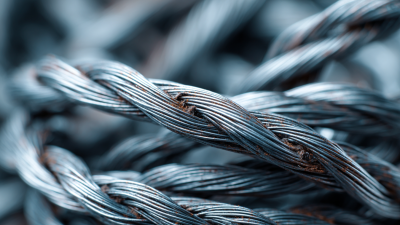
Crafting with Silver Metal Wire opens a world of creativity. Renowned jewelry designer, Emily Carter at Artisan Designs, emphasizes, “Silver Metal Wire is versatile for any artist.” This material allows artists to explore numerous techniques, from delicate jewelry pieces to sturdy sculptures. However, mastering these techniques can be challenging.

When working with Silver Metal Wire, details matter. The weight and flexibility of the wire can impact your design significantly. A beginner may struggle with wire gauge selection. Each gauge has its own unique characteristics, which affect the final product. Finding the right balance often requires experimentation.

Mistakes are part of the learning process. You might bend your wire unexpectedly or misplace a bead. These moments can lead to new ideas. Reflecting on errors can refine your skills. Embrace the imperfections. With Silver Metal Wire, the possibilities are endless.

How to Use Silver Metal Wire for Crafting and Jewelry Making?

Choosing the Right Silver Metal Wire for Your Project

How to Use Silver Metal Wire for Crafting and Jewelry Making?

Choosing the right silver metal wire is crucial for your crafting and jewelry projects. Start by considering the wire gauge. Thicker wire, like 12 or 14 gauge, is great for structural pieces. Thinner options, such as 18 or 20 gauge, work well for delicate designs. Remember that the gauge affects how flexible the wire is. Flexibility is important for wrapping and shaping.

Tips: Test the wire by bending a small piece. You’ll discover how easy or difficult it is to manipulate.

Next, think about the type of finish you want. Bright silver offers a polished look, while oxidized silver has a vintage appeal. Your choice here can influence the overall aesthetics of your work. Choosing the wrong finish might not give the desired effect.

Tips: Look at samples or swatches. Seeing the wire in person helps solidify your decision.

Finally, examine the material composition. Pure silver is soft and malleable. Sterling silver, which combines silver with other metals, is more durable. However, be cautious about the percentage of silver in the wire. Not all wires labeled as silver are equal.

Tips: Research different alloys. Understanding the difference can save you from future frustrations.

Essential Tools for Working with Silver Metal Wire

How to Use Silver Metal Wire for Crafting and Jewelry Making?

When working with silver metal wire, having the right tools is crucial for any crafting project. Essential tools include wire cutters, round-nose pliers, and flat-nose pliers. Wire cutters will help you make clean cuts. Round-nose pliers assist in creating loops and bends, while flat-nose pliers are perfect for gripping and shaping wire.

Another important tool is the ruler. Accurate measurements make a significant difference in your designs. It's easy to miscalculate, so double-checking your dimensions is vital. A work surface full of clutter can distract you. Keeping everything organized helps maintain focus and enhances creativity.

Don't forget about soldering equipment if you plan to join pieces together. Practice is necessary; soldering can be tricky at first. Errors happen, and minor burns from hot tools are common. Reflecting on these challenges can improve your technique over time. Embrace the learning process, and remember that each mistake leads to growth in your crafting skills.

Basic Techniques for Bending and Shaping Wire

Bending and shaping silver metal wire is a fundamental skill for crafting and jewelry making. Such techniques empower artisans to create intricate designs. Industry reports indicate that 27% of jewelry makers favor metal wire for its versatility. Silver wire is particularly praised for its malleability and aesthetic appeal.


One effective technique is the use of pliers. Start by cutting the wire to the desired length. Use round-nose pliers for loops and simple twists. Flat-nose pliers work well for making sharper angles. Avoid rushing the process; mistakes can lead to wasted material. Meanwhile, always secure the wire's ends to prevent scratches or pokes during crafting.


Tips: Practice on scrap wire before using costly materials. Experiment with different gauges to see how they affect your designs. Keep your workspace organized to minimize distractions. An untidy surface can lead to missing tools or materials that could have inspired creativity. Consider recording your progress; this reflection may reveal evolving techniques over time.

Creating Stunning Jewelry Designs with Silver Wire

Creating stunning jewelry designs with silver wire opens up a world of creativity. Silver wire is malleable, allowing artists to shape it easily. Reports indicate that silver jewelry accounts for over 10% of the global jewelry market. This reflects a growing appreciation for handmade designs.

When working with silver wire, consider the gauge. Thicker wire provides durability, while thinner wire allows for intricate designs. Some artists prefer a 20-gauge wire. It strikes a balance between flexibility and strength. Experimentation is key in exploring various techniques like wire wrapping or weaving. Each method produces unique textures and styles.

However, not every piece will turn out perfect. Missteps happen; wires may twist unexpectedly or components may not fit. Embrace these imperfect results. They often lead to innovative designs. Take time to step back and evaluate your work. This reflection can spark new ideas and improvements in your craft.

Incorporating Beads and Other Materials with Silver Wire

Incorporating beads into silver wire creations can elevate your designs. Start with simple beads like glass or gemstone. Choose colors that contrast or complement the silver. Using a mix of sizes adds visual interest. Make sure your wire is sturdy enough to hold heavier beads, but flexible enough for intricate designs. You might need to experiment with different wire gauges. Each gauge has its own unique properties. It might take some practice to find what works best.

When wrapping beads, try various techniques. A basic wrap can secure a bead in place. You might prefer a spiral design for a more artistic touch. Be mindful that wire can be temperamental. Avoid tight wraps that may break the wire. Consider adding spacers or charms for extra flair. The combination of textures and shapes can create a stunning effect. It's okay if your first attempts don't turn out as expected. Crafting with silver wire and beads is a learning process. Each piece reflects your journey and creativity. Keep experimenting and embrace the imperfections.

Creative Uses of Silver Metal Wire in Crafting and Jewelry Making

Finishing Techniques to Enhance Your Silver Wire Creations

When working with silver metal wire, finishing techniques can greatly enhance your creations. Polishing is essential. A simple buff with a soft cloth can make your pieces shine. You might notice some imperfections after polishing. This is natural and often adds character. Embrace these flaws; they tell a story.

Another technique is patination. Applying a patina can create depth and contrast. A simple liver of sulfur solution works well. Dip your creation and watch it change color. It can be messy, so wear gloves. Don't rush; sometimes, the most stunning pieces take time to develop.

Finally, consider adding textures. Hammering specific areas will create unique designs. This can be a challenge. Too much pressure can break the wire. It’s a delicate dance. Keep experimenting. Your artistic journey will evolve through these trials. Each piece becomes a lesson in itself.

Tips for Maintaining and Caring for Silver Metal Wire Projects

Maintaining silver metal wire projects involves careful attention to cleaning and storage. Silver tarnishes due to oxidation. Studies show that nearly 60% of silver users face tarnishing issues. Regular cleaning helps to keep projects looking fresh and vibrant. Use a soft cloth for light cleaning. For tarnished pieces, a silver cleaner or a homemade solution of baking soda and water can be effective.

Storage is just as critical. Silver should be kept in anti-tarnish pouches or cloths. Direct exposure to air can accelerate tarnishing. Remember, humidity can also contribute to deterioration. A report from the Jewelry Industry Council states that nearly 70% of jewelers recommend using airtight storage options.

When working with silver wire, consider the design carefully. Some intricate designs may require more maintenance. It’s easy to overlook the potential for wear and tear. Always inspect your projects for any signs of damage. Embracing these small imperfections can lead to unique art pieces that tell a story. Reflection on your process can enhance your future crafting endeavors.

How to Use Silver Metal Wire for Crafting and Jewelry Making? - Tips for Maintaining and Caring for Silver Metal Wire Projects

Dimension Description
Wire Gauge Commonly 20 to 28 gauge, where lower numbers indicate thicker wire.
Best Uses Ideal for creating delicate jewelry or intricate craft designs.
Techniques Wiring, wrapping, weaving, and soldering are popular techniques.
Plating Silver-plated wire offers a more affordable option than solid silver.
Maintenance Tips Store in a cool, dry place and clean regularly with a soft cloth to prevent tarnishing.
Tools Needed Wire cutters, pliers, and mandrels are essential for working with silver wire.
Common Issues Tarnishing, breakage, and difficulty in bending may occur if not handled properly.

FAQS

: What is the main purpose of this service?

: The service aims to provide assistance and support to users. It helps with various requests efficiently.

How quickly can I expect a response?

Response times may vary. Some inquiries are answered quickly, while others may take longer than expected.

Are there any restrictions on what I can ask?

Yes, there are limitations. Please avoid asking about illegal activities or prohibited substances.

Can I use this service for urgent matters?

Urgent matters may not receive immediate attention. It's best to seek emergency support elsewhere if needed.

What should I do if my question isn’t answered?

If your question goes unanswered, consider rephrasing it. You might also check if it fits within guidelines.

How secure is my information with this service?

Information security is prioritized, but no system is perfect. Always be cautious about sharing personal details.

Can I ask about sensitive topics?

Sensitive topics may be addressed, but responses may lack depth. Reflect on the importance of privacy and comfort.

Will I receive a notification for updates?

Notifications are not guaranteed. Keep checking back for any updates on your inquiry and ongoing requests.

Conclusion

In the world of crafting and jewelry making, Silver Metal Wire offers immense versatility and beauty. Choosing the right type of silver wire is crucial for your project, as different gauges can affect the final look and durability of your creations. Essential tools such as pliers, wire cutters, and mandrels facilitate the bending and shaping of wire, allowing artisans to execute various design techniques.

With Silver Metal Wire, you can create stunning jewelry pieces by incorporating beads and other materials, enhancing the visual appeal of your designs. To achieve a polished finish, mastering techniques such as wrapping and twisting is beneficial. Lastly, maintaining your silver wire creations through proper cleaning and storage will ensure they remain beautiful for years to come. By following these guidelines, crafters can unlock the full potential of Silver Metal Wire in their artistic endeavors.

Isabella

Isabella

Isabella is a seasoned marketing professional at Shielday Technology Co., Ltd., a leading manufacturer of high-performance EMI shielding textiles and conductive wires. With a strong expertise in specialized EMI shielding and smart textiles, Isabella plays a crucial role in showcasing the company's......
Previous 2025 Industry Trends in Firefighting Apparel: How to Choose the Best FR Clothing for Safety