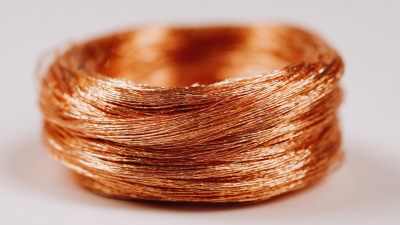
Silver metal wire is honestly one of those materials that’s surprisingly versatile. You see it popping up all over the place — from making jewelry to working with electronics. It’s kind of amazing how many uses it has!
When it comes to jewelry, a lot of artisans love using silver wire because it looks so beautiful. It’s perfect for creating detailed designs and making sturdy pieces that last. But, I won’t lie, the price can be a bit of a downer for some small-time crafters.
On the electronics side of things, silver wire really shines—literally! Its excellent conductivity helps boost performance in various devices. That said, finding good-quality silver wire isn’t always super easy, especially if you’re after the real deal. Overall, silver wire has tons of benefits, but you’ve got to be careful about where and how you get it, you know?
Top Applications of Silver Metal Wire in Electronics and Communication
In the world of electronics and communication, silver metal wire shines as a top choice. Its superior conductivity makes it ideal for high-frequency applications. Reports indicate that silver has a conductivity rate of 63 x 10^6 S/m. This is significantly higher than copper, making silver wire invaluable in modern electronics.
Applications of silver wire are diverse. In communication devices, it plays a key role in antennas, helping to boost transmission efficiency. High-end audio equipment also benefits from silver wire's conductivity, enhancing sound quality. Silver wiring is increasingly used in photovoltaic cells as well. Recent data shows that solar panels using silver technology can improve energy conversion rates by up to 20%.
The challenges, however, are notable. Silver is more expensive than other metals, which can limit its use in budget-sensitive projects. Additionally, its susceptibility to tarnish raises maintenance concerns. Engineers must weigh these factors when choosing the right materials for their designs. The balance between cost and performance remains a critical topic in the industry.
2026 Top Uses and Benefits of Silver Metal Wire in Electronics and Communication
Benefits of Silver Wire in Conductivity and Thermal Management
Silver wire is known for its excellent conductivity, making it a popular choice in various applications. Conductivity is crucial in electronics, where signals need to travel quickly and efficiently. Silver wire minimizes resistance, allowing for faster data transmission. In homes, silver wire can enhance the performance of audio systems. It helps in preserving sound quality, providing a richer listening experience.
Thermal management is another area where silver wire shines. It has remarkable thermal conductivity, making it ideal for heat dissipation. In high-performance electronics, excess heat can damage components. Silver wire can help manage this heat, extending the lifespan of devices. Engineers often consider the efficiency of silver wire when designing cooling systems.
However, it's important to reflect on the cost issues. Silver is valuable, which can make projects more expensive. Sometimes, alternatives are cheaper but may not perform as well. Balancing cost and performance becomes necessary. Thus, while silver wire presents significant benefits, one must weigh both advantages and potential drawbacks before deciding on its use.
2026 Top Uses and Benefits of Silver Metal Wire
| Dimension |
Description |
Benefit |
| Electrical Conductivity |
Silver wire is known for its excellent electrical conductivity. |
Enhances efficiency in electrical applications. |
| Thermal Conductivity |
Silver wire also has high thermal conductivity. |
Effective in heat dissipation and thermal management. |
| Antimicrobial Properties |
Silver possesses natural antimicrobial properties. |
Used in medical applications to reduce infection risk. |
| Jewelry and Aesthetics |
Silver wire is popular in jewelry making. |
Provides beauty and elegance in designs. |
| Alloying |
Silver is often used in alloys with other metals. |
Improves material properties for various applications. |
| Electronics |
Used in the manufacturing of electronic components. |
Enhances performance and longevity of devices. |
Role of Silver Wire in Medical Devices and Biocompatibility
Silver wire is gaining attention in medical devices. Its unique properties make it beneficial for various applications. Silver has natural antibacterial characteristics. This is crucial for medical settings where infection control is paramount. Devices made with silver wire can reduce the risk of post-surgery infections.
In addition to preventing infections, silver wire is biocompatible. This means it can be used safely within the human body. In some cases, however, the body's reaction to silver can vary. While some patients experience no issues, others may have sensitivities. These factors need careful consideration during device development.
The flexibility of silver wire allows for innovative designs in implants and sensors. It's strong yet malleable, making it easy to shape. Nevertheless, its high cost can limit widespread use. Researchers continually explore ways to improve affordability without sacrificing quality. Balancing these aspects presents challenges that require reflection and innovative thinking.
Comparison of Silver Wire with Other Metal Wires in Performance
When comparing silver wire to other metal wires, performance varies significantly. Silver wire boasts high electrical conductivity. This makes it ideal for applications that require efficient energy transfer. In contrast, copper wire, while cheaper, does not match silver in conductivity. This difference can affect the overall efficiency of electronic components and systems.
Silver wire also has excellent tensile strength. It withstands stretching and pulling better than many other metals. While aluminum is lighter, it lacks the durability of silver. This property is essential for crafting strong jewelry or intricate designs in wiring. Some might overlook this benefit, focusing solely on cost. Yet, in fine applications, the quality of silver wire shines through.
However, it’s crucial to consider the cost factor. Silver is generally more expensive than its counterparts. This might lead one to choose cheaper alternatives. But in critical applications, the long-term reliability of silver can justify its price. Making the right choice involves weighing these benefits against potential drawbacks. Reflecting on the needs of each project can guide this decision.
Market Trends and Growth Predictions for Silver Wire Industry
The silver wire industry is experiencing significant growth. As we move towards 2026, the demand for silver wire is expected to rise. This is largely due to its unique properties and versatility. Silver wire is known for its excellent conductivity, making it crucial in electronics. The rise of electric vehicles and renewable energies also supports this trend.
Market forecasts suggest an annual growth rate that reflects increased applications in various sectors. Medical equipment, aerospace, and telecommunications are notable areas. These industries require reliable materials for their advanced technologies. Silver’s antimicrobial properties enhance its desirability in healthcare applications, though challenges remain in sourcing quality materials. Prices fluctuate, which can create uncertainty for manufacturers.
Investors are keeping a close eye on this trend. The future of silver wire is promising, yet competitive. New companies are emerging, but established players still dominate. Sustainable practices are increasingly important. The industry must adapt to both consumer demands and environmental concerns. As we advance, the balance between quality and cost will be critical.
Sustainability and Recyclability Aspects of Silver Metal Wire
Silver metal wire is gaining attention for its sustainable properties. It is 100% recyclable, making it an eco-friendly choice. When silver wire reaches the end of its lifecycle, it can be melted down and repurposed. This reduces waste and conserves resources. Reusing silver helps maintain a balance in the ecosystem.
However, the extraction of silver still poses challenges. Mining can lead to environmental degradation. There are concerns about water pollution and habitat destruction. It’s essential to reflect on these issues. We must consider how we source materials responsibly. Sustainable practices in mining are crucial to mitigate negative impacts.
In crafting with silver wire, artists can create beautiful pieces that last. The durability of silver means fewer resources are needed over time. Investing in quality pieces can reduce overall consumption. Yet, as we embrace silver, we should ensure our choices align with sustainable principles. This way, we contribute positively to the environment.
Innovations in Silver Wire Manufacturing Techniques and Technologies
Innovations in silver wire manufacturing are transforming various industries. High-tech techniques are improving efficiency and quality. Advanced methods like electroforming and vacuum deposition enhance the properties of silver wire. This process allows for finer, more flexible wires. The result is a product that is both stronger and more versatile.
Tips: Always consider the wire gauge you need. Thinner wire may be suitable for delicate applications, while thicker wire offers better durability. Test different compositions to find the best fit for your project.
New technologies also allow for greater sustainability. Eco-friendly practices in silver extraction and processing reduce waste. While advancements are promising, manufacturers must reflect on the environmental impact. Balance between innovation and responsibility is crucial.
Tips: Research suppliers who prioritize sustainability. Choosing eco-conscious manufacturers can make a difference. It’s essential to stay informed about techniques that minimize ecological harm.
Creative Uses and Tips for Silver Foil Tinsel Wire in Crafting and Decoration
Silver foil tinsel wire is an innovative material that combines strength and flexibility, making it ideal for various crafting and decorating projects. Made from silver-plated copper wires wrapped in textile filaments, this wire is not only durable but also easy to manipulate, allowing crafters to bend and shape it into intricate designs. The textile support—whether polyamide, aramid, or other filaments—enhances the wire's versatility, enabling creators to use it in both structural and decorative roles.
In the world of crafting, silver foil tinsel wire can be utilized in numerous ways. From creating stunning jewelry pieces to adding sparkle to home decorations, its reflective quality captures light beautifully. Crafters can weave the wire into wreaths, embellish gift packaging, or create striking centerpieces that stand out during special occasions. Additionally, this wire can be easily painted or coated to match specific color themes, providing endless possibilities for customization.
For those looking to elevate their crafting game, incorporating silver foil tinsel wire can be a game-changer. Its unique composition allows for creative applications, whether you’re designing minimalist decor or elaborate art pieces. This wire’s flexibility encourages experimentation, making it a must-have for both novice and experienced crafters.
FAQS
: The article aims to provide insights and information on a specific topic.
The content is intended for individuals seeking knowledge or a deeper understanding of the topic.
Consider real-life examples or scenarios related to the topic. Reflect on your own experiences.
Yes, some widespread beliefs may not align with the actual facts presented in the article.
It’s important to critically analyze the information. Research further to form an informed opinion.
The article incorporates data and insights accurate as of the latest available updates before October 2023.
Yes, but ensure proper citations and references. Academic integrity is crucial in all writings.
Revisit those sections, and break them down. Don’t hesitate to seek clarification or further resources.
The article provides a few examples. They should help illustrate key points more vividly.
Consider discussing the content with peers or utilizing it in practical exercises. Reflection is key.
Conclusion
Silver metal wire is gaining prominence across various industries due to its exceptional properties and applications. In electronics and communication, silver metal wire plays a crucial role in enhancing conductivity and thermal management, outperforming other metals in efficiency and performance. Its biocompatibility makes it an indispensable component in medical devices, ensuring safety and reliability in sensitive applications.
Moreover, the silver wire industry is poised for growth, driven by increasing demand and innovative manufacturing techniques. Market trends indicate a shift towards sustainable practices, with greater emphasis on recyclability and environmental impact. As technological advancements continue to emerge, silver metal wire stands out as a versatile and valuable material, promising to meet the evolving needs of diverse sectors.