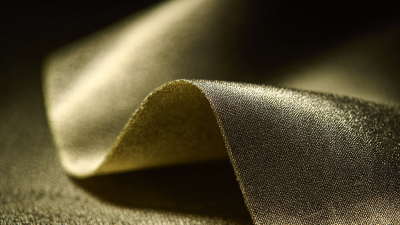
As we approach 2026, the demand for EMI and RFI shielding textiles continues to rise. With the advent of new technologies, these materials have become essential in protecting electronic devices from electromagnetic interference. Dr. Jane Smith, a leading expert at ShieldTech Industries, emphasizes, "The future of EMI and RFI shielding lies in innovative textile applications."
The significance of EMI and RFI shielding textiles cannot be overstated. Industries from aerospace to consumer electronics rely on these materials to ensure product reliability. Shielding textiles are not just functional; they must also meet aesthetic and ergonomic requirements. Balancing these aspects can pose challenges for manufacturers, leading to ongoing research and development.
Despite advancements, there are areas needing improvement in EMI and RFI shielding textiles. Current materials may not always provide adequate performance under extreme conditions. It raises questions about effectiveness and durability in real-world applications. As companies strive for perfection, understanding the market’s needs remains crucial for future innovations.
Electromagnetic interference (EMI) and radio-frequency interference (RFI) are growing concerns across industries. As technology evolves, the need for effective shielding solutions becomes critical. By 2026, the demand for EMI shielding textiles is expected to rise significantly, driven by innovations in electronics and communication. According to a recent market report, the global EMI shielding textiles market is projected to grow at a CAGR of 12.5% from 2023 to 2026. Companies are prioritizing compliance with established standards, ensuring their products meet strict regulations.
The importance of EMI shielding textiles cannot be overstated. They play a vital role in protecting sensitive electronic devices from external disturbances. The standards set by organizations like ASTM and IEC help guide manufacturers in producing reliable products. An efficient shielding material can provide attenuation levels above 80 dB, enhancing device longevity. However, challenges remain. Many textiles fail to meet the expected performance metrics. This discrepancy creates a gap in the market that requires further investigation and development.
As we approach 2026, the focus on sustainable materials is also gaining traction. More companies explore eco-friendly options in EMI fabrics. This shift reflects a broader trend in the textile industry towards sustainability. But, finding the right balance between performance and environmental impact is complex. The next few years will be crucial in shaping the future of EMI and RFI shielding textiles.
In 2026, the demand for RFI shielding fabrics continues to grow. These materials help protect electronic devices from interference. Commonly used fabrics include woven metals and conductive polymers. Each type has unique properties. Some fabrics offer flexibility and durability, while others prioritize conductivity.
Tips: When selecting RFI shielding fabrics, consider the operating environment. Check if the fabric can withstand extreme temperatures or physical stress. Testing different materials before finalizing choices is essential.
Conductive fabrics often incorporate materials like stainless steel or copper. These metals provide excellent shielding effectiveness. However, they may be heavier than other options. Lightweight alternatives, such as conductive mesh, are also available. These fabrics might not perform as well but are easier to integrate.
Tips: Consider weight and thickness in your design. A thicker fabric may offer better shielding but can be cumbersome. Balance performance with practicality in your application. Remember, a perfect choice rarely exists; trial and error is part of the process.
The market for EMI (Electromagnetic Interference) and RFI (Radio Frequency Interference) shielding textiles is on an upward trajectory. By 2026, analysts predict a significant increase in demand. This surge is driven largely by advancements in technology and the growing need for effective shielding solutions. Many industries are recognizing the value of high-performance textiles. These materials help to protect sensitive electronic devices from interference.
Key trends are emerging in this specialized sector. One notable aspect is the shift toward sustainable and eco-friendly raw materials. Manufacturers are exploring innovative techniques to integrate shielding properties into traditional textiles. This approach aligns with global sustainability goals while addressing market needs. However, challenges remain. It can be difficult to maintain shielding effectiveness without compromising fabric feel and flexibility.
The application of these textiles spans various fields, from automotive to aerospace. As industries become more dependent on electronics, the importance of EMI and RFI shielding cannot be overstated. However, potential oversaturation of the market could lead to quality dilution. Companies must ensure they do not overlook crucial factors like durability and performance. The path to 2026 will be shaped by these evolving market dynamics. Stakeholders must stay vigilant and adaptable.
In the realm of EMI and RFI shielding textiles, performance metrics are critical for evaluating effectiveness. Key factors include attenuation rates, durability, and ease of integration into various applications. Testing these textiles in real-world scenarios reveals strengths and weaknesses. For instance, some fabrics excel in thermal stability but may falter in flexibility.
When selecting shielding textiles, consider the environment in which they will be used. Moisture, temperature, and type of exposure can greatly affect performance. It’s advisable to look for textiles that offer a balance between flexibility and durability. Experimentation is important; a material that works in one case may not be ideal in another.
Tips: Always conduct thorough tests before full-scale implementation. This ensures that the selected textile meets specific requirements. Seek advice from industry experts to understand the nuances of each option. Make adjustments based on feedback to improve performance. Balancing cost and efficiency is also crucial; sometimes, the most expensive option isn’t the best fit.
When choosing EMI and RFI shielding textiles, regulatory compliance is crucial. The UL (Underwriters Laboratories) and IEC (International Electrotechnical Commission) standards set benchmarks. For textiles, UL 1449 outlines surge protective devices, while IEC 61000 focuses on electromagnetic compatibility. These standards ensure that fabrics meet performance requirements for safety and effectiveness.
Various reports estimate the global market for EMI/RFI shielding textiles will grow significantly. The demand is driven by industries such as automotive, aerospace, and consumer electronics. Companies are increasingly prioritizing compliance to meet market demand. This ensures their products can perform reliably in an EMC-sensitive environment.
Tips: Always check the certifications. Valid certifications reflect quality and compliance. Sampling textiles before full-scale production can save you time. Evaluate how easy the textile is to integrate with existing products too. Many manufacturers lag in compliance understanding. Stay informed about changes in regulations to avoid costly mistakes.
The realm of EMI (Electromagnetic Interference) and RFI (Radio Frequency Interference) shielding is rapidly evolving. Innovations are emerging, particularly in smart textiles. These fabrics integrate advanced materials to block unwanted signals. Imagine clothing that not only protects against interference but also monitors environmental conditions.
These smart textiles have sensors woven into them. This technology offers potential in various fields, such as healthcare and defense. A garment could detect harmful electromagnetic exposure. It can alert the wearer in real-time. However, the integration of such features raises questions. How do we balance functionality with comfort?
Manufacturers are experimenting with new fibers and coatings. These innovations promise enhanced shielding effectiveness. Yet, technical challenges remain. Ensuring that textiles remain breathable and comfortable is crucial. There is always room for improvement. As the demand for smarter and more functional clothing grows, reflection on these challenges is essential. Embracing innovation while addressing practical concerns will shape the future of EMI and RFI shielding textiles.
In 2026, EMI and RFI shielding textiles are expected to play a pivotal role in various industries. These textiles help protect sensitive electronics from electromagnetic interference and radio frequency interference. This is crucial for sectors like aerospace and defense. Equipment in these industries often operates in environments with high EMI levels. Shielding textiles can enhance the reliability of these devices.
The automotive industry is another sector impacted by shielding textiles. As vehicles become more electrified, the need for effective shielding increases. Innovations in shielding materials are required as manufacturers integrate advanced electronics. Additionally, medical devices benefit significantly from these textiles. They help maintain signal integrity near sensitive apparatus.
However, some applications still face challenges. Not all textiles provide consistent shielding across varying frequencies. This inconsistency can lead to ineffective protection in certain scenarios. More research is needed to enhance the performance of these materials. Finding the right balance between flexibility and shielding effectiveness remains a complex task. As industries evolve, these areas will demand further attention.
: The product aims to enhance user convenience and efficiency in daily tasks.
Follow the instructions carefully. Incorrect use may lead to suboptimal results.
Yes, ensure proper handling to avoid accidents. Follow safety guidelines diligently.
It is recommended for indoor use only. Outdoor conditions might affect performance negatively.
Check the manual first. If issues persist, consider reaching out for support.
Yes, but some users may find it challenging. A learning curve might be present.
Regular cleaning and proper storage will prolong its life. Neglect could lead to issues.
Review the return policy. User experiences vary, and not all are perfect.
Consult the user guide. Some features may not be ideal for very young users.
Online forums and user manuals can help. Community support can be valuable too.
The article "Top EMI And RFI Shielding Textiles for 2026 What to Know?" provides an in-depth overview of the critical role that EMI and RFI shielding textiles will play in various industries by 2026. It emphasizes the importance of adhering to established standards for these textiles to meet regulatory compliance, highlighting UL and IEC requirements. The discussion includes key materials and their intrinsic properties that contribute to effective shielding against electromagnetic interference and radio frequency interference.
Market trends indicate a robust growth projection for EMI and RFI textiles, driven by the increasing demand in sectors such as telecommunications, automotive, and healthcare. Furthermore, the article explores innovations in shielding technologies, including the development of smart textiles that incorporate advanced functionalities. A comparative analysis of leading textiles indicates their performance metrics, helping stakeholders make informed decisions about the best materials for their specific applications. Overall, this summary illustrates the significance and evolution of EMI and RFI shielding textiles in a rapidly advancing technological landscape.