0%

Copper wire? It’s honestly one of those essential materials you see across so many industries. Its unique qualities make it a go-to for lots of different applications. So, let’s dive into what makes copper wire special and where it’s commonly used.

First off, copper wire is super conductive — meaning it’s great at carrying electricity — and it doesn’t rust easily, so it’s resistant to corrosion. That’s why you'll find it everywhere from electrical wiring in homes to plumbing and roofing in construction projects. Its flexibility and reliability also make it a favorite in telecommunications and even in cars.

But, as awesome as copper wire is, it’s not without its hiccups. Prices tend to fluctuate, which can sometimes cause availability issues. Plus, some folks might overlook how important quality really is. Using cheap, subpar copper wire can actually lead to safety concerns down the line. So, it’s a good idea to understand these quirks. Being knowledgeable helps you make smarter choices — after all, smart decisions matter, right?

What is Copper Metal Wire and Its Common Uses?

Definition and Properties of Copper Metal Wire

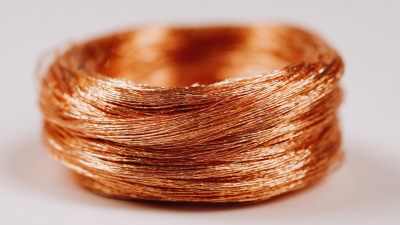
Copper metal wire is widely used in various applications due to its excellent electrical and thermal conductivity. It has a reddish-brown appearance and is ductile, meaning it can be drawn into thin wires. Its strength and flexibility make it ideal for different environments. Often used in electrical systems, it offers efficient energy transfer. Many households utilize it in wiring and plumbing applications, demonstrating its versatility.

Tips: Always inspect copper wiring for signs of oxidation. Oxidation can lead to reduced conductivity. If you notice any discoloration, it may require replacement.

Copper wire is also affected by moisture. In humid conditions, it can corrode. This corrosion weakens the wire over time. Regular maintenance can prevent potential hazards, especially in electrical setups.

In addition to wiring, copper metal wire finds use in crafting and jewelry making. Artists appreciate its malleability. It allows for intricate designs. However, working with copper requires skill. Not everyone can manipulate it gracefully. Practice is key to mastering this medium.

What is Copper Metal Wire and Its Common Uses? - Definition and Properties of Copper Metal Wire

Property Value
Conductivity Excellent (Over 60% IACS)
Density 8.96 g/cm³
Melting Point 1,984°F (1,085°C)
Tensile Strength 210 MPa
Common Wire Sizes AWG 10 to AWG 28
Uses in Electronics Wiring, circuits, connectors
Uses in Construction Electrical wiring, plumbing, roofing
Corrosion Resistance Moderate

The Manufacturing Process of Copper Wire

Copper wire is a widely used material in various industries. The manufacturing process of copper wire involves several key steps that ensure its quality and efficiency. Copper is first mined and then undergoes smelting to remove impurities. According to industry reports, about 20 million metric tons of copper are produced annually, highlighting its significance in the global market.

Once the copper is refined, it is drawn into wire through a process called drawing. This process reduces the diameter of the copper ingot into thin strands. The diameter can vary, but commonly, it ranges from 0.2 mm to 20 mm. Each strand must maintain a high level of conductivity, crucial for electrical applications. However, achieving uniformity in thickness can be challenging. Inconsistent thickness can lead to inefficiencies during use.

After drawing, the wire often goes through additional processes, like annealing, to enhance flexibility. Industry data shows that over 60% of copper wire is used in electrical applications. However, the reliance on copper raises questions about sustainability. The extraction process contributes to significant environmental impacts, and recycling copper wire remains essential. Despite the advancements, the industry still grapples with balancing production demands and environmental concerns.

Common Uses of Copper Wire

Common Applications of Copper Wire in Electrical Wiring

Copper wire is a key component in electrical wiring. It is widely recognized for its excellent conductivity. In fact, copper has the highest electrical conductivity of any metal. Reports indicate that approximately 60% of electrical applications utilize copper wiring. This highlights its importance in various sectors.

One common application is residential wiring. Copper wire connects power outlets, switches, and fixtures. It is often preferred due to its ability to carry heavy loads. Studies have shown that homes using copper wiring have fewer electrical failures. However, some installations may not meet safety standards. This can pose risks like overheating. Regular inspections are crucial for safety.

Another significant use of copper wire is in telecommunications. Copper cables transmit data efficiently across long distances. In fact, around 80% of phone networks rely on copper. Despite advancements in fiber optics, copper remains vital. Nonetheless, the transition to newer technologies raises questions. Is relying on older infrastructure sustainable? These challenges highlight the need for continuous improvement in the industry.

Copper Wire Uses in Telecommunications and Networking

Copper wire plays a critical role in telecommunications and networking. Its excellent electrical conductivity makes it ideal for transmitting data. Many reports highlight that copper wire accounts for about 70% of all wiring used in telecommunications. This high percentage underscores its importance in facilitating communication across various channels.

In networking, copper wires are prevalent in Ethernet cables. These cables connect devices within local area networks (LANs). According to a recent industry study, over 1.5 billion Ethernet ports were shipped in 2020, a figure expected to grow steadily as demand for faster internet rises. Copper wires also serve in telephone lines, enabling clear voice communication for billions of users worldwide.

However, reliance on copper wire comes with challenges. The rapid advancement of fiber-optic technology has raised questions about the future of copper. While fiber optics provide faster speeds, many systems still depend on copper for compatibility and cost-effectiveness. This situation creates a need for ongoing innovations within copper applications. The industry must balance efficiency with practicality to meet evolving demands.

Role of Copper Wire in Construction and Infrastructure

Copper wire plays a crucial role in construction and infrastructure. It is often used in electrical wiring due to its excellent conductivity. Buildings require significant wiring for lighting and power systems. Copper wire ensures efficient energy use and safety. Many electricians depend on its reliability.

In infrastructure projects, copper wire supports communication systems. It connects various components and enables data transmission. Cities rely on this wiring for traffic signals and street lights. However, sourcing copper can sometimes be a challenge. Prices fluctuate based on market demand, which can lead to project delays.

Sometimes, the installation does not go as planned. Mistakes in measuring or cutting can result in waste. It’s important for workers to double-check their work. Ensuring high-quality connections is critical. Poor connections can lead to overheating or even fires. Investing in skilled labor can mitigate these risks.

Advantages of Using Copper Wire Over Other Materials

What is Copper Metal Wire and Its Common Uses?

Copper wire is a preferred choice in many applications. Its excellent conductivity allows electricity to flow with minimal resistance. This makes it a standard in electrical wiring and electronics. When heat buildup occurs in wires, it can be dangerous. Copper's ability to dissipate heat helps mitigate this risk.

Another advantage is copper’s durability. It resists corrosion better than many alternatives. This longevity is crucial for outdoor and industrial applications. In these environments, materials face harsh conditions. Yet copper stands strong, reducing the need for frequent replacements.

The flexibility of copper wire is also noteworthy. It can be easily bent and shaped, which allows for intricate designs. However, sometimes, this flexibility may lead to less precise installations. Installers need to ensure they do not compromise their work. Corrections can be time-consuming and costly, leading to reflections on methods used.

Safety Considerations and Maintenance of Copper Wire Systems

When working with copper wire systems, safety is paramount. Copper wire can carry high electrical loads, making proper insulation crucial. Always ensure the wire is intact before use. Frayed or damaged wires pose serious risks. Regular inspections can help catch these issues early.

Maintenance is essential for long-lasting performance. Periodically check connections for corrosion or wear. Use appropriate cleaning methods to keep the wires conductive. Remember to handle copper wire with care. It can become hot during operation. If a wire feels excessively warm, investigate immediately. Sometimes, issues can arise from overloading or poor connections.

Educating yourself about proper wiring techniques is beneficial. Knowledge empowers better decision-making. Familiarize yourself with local safety standards. Awareness of how to manage potential hazards is important. In the end, a proactive approach leads to safer environments with copper wire systems.

Creative Crafting with Copper Foil Tinsel Wire: Unlocking Endless Possibilities for Your Projects

Copper foil tinsel wire is an innovative crafting material that opens up a world of creative possibilities. Its unique structure, featuring a core material wrapped in a layer of highly conductive metal, provides both flexibility and strength, making it an ideal choice for a wide range of projects. The core material serves as a supportive backbone, giving artisans the ability to shape their designs while the metal coating, typically made from pure copper or silver, enhances conductivity, allowing for a variety of artistic and functional applications.

Crafting with copper foil tinsel wire can transform ordinary projects into extraordinary creations. Its versatility means it can be utilized in everything from intricate jewelry designs to vibrant art installations. The flexibility of copper foil tinsel wire allows crafters to bend, twist, and shape it into complex forms, enabling them to explore endless design possibilities. Whether you’re making decorative elements for an event or engaging in more technical projects, this wire provides the perfect blend of aesthetic appeal and practical functionality, inspiring creativity at every turn.

FAQS

: What is the main purpose of the product?

: The product aims to improve daily routines and enhance experiences in everyday tasks.

How do I use the product effectively?

Follow the guidelines provided. Ensure proper application for optimal results. It may take practice.

Are there any side effects?

Users may experience mild discomfort initially. Monitor your response and discontinue use if needed.

How long does it take to see results?

Some users notice changes within a few days. Others may need weeks to observe significant benefits.

Can the product be used by everyone?

Most people can use it. However, those with specific conditions should consult a professional before use.

What should I do if I experience problems?

Reach out for support. Describe the issue clearly. Reflection on your usage may offer insights.

Is there a money-back guarantee?

Yes, a return option is typically available. Ensure you follow the return policy for a refund.

Can the product be used with other items?

In many cases, it can complement other products. However, test compatibility to avoid issues.

How should I store the product?

Keep it in a cool, dry place. Avoid excessive heat or moisture to maintain effectiveness.

What if I forget to use it regularly?

Missing applications can hinder results. Setting reminders might help develop a consistent routine.

Conclusion

Copper metal wire is a highly conductive material known for its excellent electrical properties and versatility in various applications. This wire is manufactured through a series of processes that involve drawing copper rods into thin strands, which enhances its conductivity while maintaining strength and flexibility. Common uses of copper metal wire are prevalent in electrical wiring, telecommunications, networking systems, and construction, where its durability and efficacy are critical.

Moreover, copper metal wire offers several advantages over alternative materials, including superior conductivity, resistance to corrosion, and reliability in different environmental conditions. However, it is essential to consider safety measures and proper maintenance to ensure the longevity and performance of copper wire systems. Overall, copper metal wire remains a fundamental component in modern infrastructure and technology.

Ethan

Ethan

Ethan is a dedicated marketing professional at Shielday Technology Co., Ltd., an advanced manufacturer specializing in high-performance EMI shielding textiles and conductive wires. With extensive knowledge of the company’s innovative product range, Ethan plays a crucial role in conveying the unique......
Previous 2025 Industry Trends in Firefighting Apparel: How to Choose the Best FR Clothing for Safety