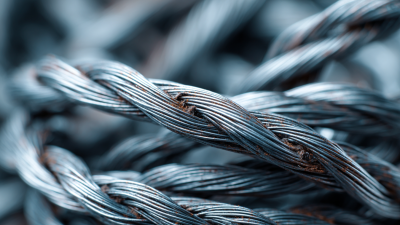
As we delve into the transformative world of Metal Gimped Wire, it becomes clear that this innovative material has captivated industries ranging from aerospace to fashion. According to Dr. Emily Carter, a leading expert in metallurgy and the Chief Scientist at InnovateWire Technologies, "Metal Gimped Wire represents a convergence of strength and creativity, unlocking potential in countless applications." This flexibility invites designers and engineers alike to explore new horizons in their projects.
In recent years, the trend towards customization and sustainability has heralded a renewed interest in the capabilities of Metal Gimped Wire. Its unique properties not only enhance the structural integrity of products but also allow for intricate designs that were previously deemed impossible with traditional wiring. With its diverse applications, from architectural elements to intricate jewelry, Metal Gimped Wire stands at the forefront of innovation, shaping the future of material usage across multiple sectors.
As we anticipate the trends of 2025, the exploration of Metal Gimped Wire is more relevant than ever, promising to inspire creativity and efficiency in manufacturing processes. The insights and applications emerging from this versatile material will undoubtedly play a pivotal role in redefining industry standards and driving technological advancements in the years to come.

The Evolution of Metal Gimped Wire in Industrial Applications
Metal gimped wire has seen significant evolution in its industrial applications over the years, transforming from a niche material into a versatile tool across various sectors. Initially used primarily for decorative purposes, its resilient properties and adaptability have led to its incorporation into sectors such as automotive, aerospace, and manufacturing. The unique structure of gimped wire, which combines flexibility with strength, allows it to be utilized in environments requiring both lightweight construction and high durability. As industries strive for more efficient and innovative solutions, the demand for such multifunctional materials has surged.
Moreover, the development of advanced manufacturing techniques has enhanced the performance characteristics of metal gimped wire. Enhanced production methods enable tighter tolerances and improved surface finish, expanding its applicability in precision engineering and demanding applications. With its capability to withstand extreme conditions, gimped wire is now being utilized in specialized equipment, including filtration systems and reinforcement in composite materials. The transition from traditional uses to cutting-edge applications highlights the adaptability of metal gimped wire, fostering innovation and efficiency in modern industrial practices.
Key Characteristics of Metal Gimped Wire and Its Production Process
Metal gimped wire is gaining attention for its versatility across various industries, thanks to its unique characteristics and production techniques. This specialized wire typically consists of a core material, often steel or aluminum, wrapped in a decorative layer of metal, which enhances both its aesthetic and functional properties. The gimping process involves winding the outer layer around the core in a precise manner, allowing for various designs and styles. This method not only increases durability but also maintains the wire's flexibility, making it ideal for applications ranging from jewelry making to industrial uses.
**Tips**: When working with metal gimped wire, remember to choose the right thickness based on your project needs. A thicker wire may offer more strength, while a thinner option is better for intricate designs. Additionally, using appropriate tools can aid in achieving clean cuts and bends, enhancing the overall quality of your work.
The production process of metal gimped wire requires a combination of advanced machinery and skilled craftsmanship. High-quality metal is chosen to ensure that the wire is both lightweight and strong. After the core is prepared, the gimping process begins, often utilizing automated equipment that ensures consistency in design and dimensions. The final product is usually subjected to quality control tests to verify that it meets industry standards, ensuring reliability for various applications.
**Tips**: If you’re experimenting with gimped wire for crafts, consider practicing different wrapping techniques on scrap materials first. This experimentation can lead to innovative designs and help you identify the best methods for your specific projects.
2025 Top Trends: Versatile Applications of Metal Gimped Wire
Versatile Uses of Metal Gimped Wire in Fashion and Accessories
Metal gimped wire is making waves in the fashion industry, with its unique properties and aesthetic appeal paving the way for innovative applications in accessories. This versatile material can be manipulated into intricate designs, allowing artisans to create a wide range of items, from intricate jewelry to stylish handbags. The metallic sheen and flexibility of gimped wire enable designers to craft pieces that are not only visually striking but also durable, making them perfect for everyday wear.
In addition to jewelry and bags, metal gimped wire has found its place in the creation of elaborate headpieces and hair accessories. Designers are experimenting with twisting and weaving techniques, resulting in stunning hair ornaments that add a touch of elegance to any outfit. This trend emphasizes individuality, as each piece can be customized, reflecting the unique style of its wearer. Whether used in statement earrings or decorative hair clips, metal gimped wire continues to inspire creativity in the fashion world, proving that functional materials can simultaneously be artistic and expressive.
Innovative Applications of Metal Gimped Wire in Technology and Gadgets
Metal gimped wire, known for its unique combination of flexibility and strength, is poised to revolutionize various technological applications and gadgets in the coming years. One of its most fascinating uses is in the development of smart textiles. By integrating metal gimped wire into fabrics, designers can create clothing that not only offers advanced functionalities, such as temperature regulation and health monitoring, but also maintains comfort and style. This innovation opens up exciting possibilities in sectors like sportswear and medical apparel, where performance and tracking capabilities are paramount.
In the realm of consumer electronics, metal gimped wire is being leveraged to enhance the durability and reliability of devices. Its resistance to wear and corrosion makes it an ideal candidate for use in connectors and wiring within gadgets, especially in environments that demand longevity. Furthermore, as the Internet of Things (IoT) continues to expand, metal gimped wire can facilitate the creation of more resilient, efficient sensors that seamlessly integrate into everyday objects. This versatility not only improves functionality but also contributes to the overall longevity of electronic devices, making them more sustainable in a rapidly evolving technological landscape.
2025 Top Trends: Exploring the Versatile Applications of Metal Gimped Wire
| Application |
Industry |
Description |
Benefits |
| Consumer Electronics |
Technology |
Used in flexible connectors and wiring for devices. |
Improved durability and flexibility in design. |
| Automotive Wiring |
Automotive |
Utilized for wiring harnesses in vehicles. |
Enhanced resistance to environmental factors. |
| Medical Devices |
Healthcare |
Incorporated in sensors and diagnostic equipment. |
Precision and reliability in critical applications. |
| Aerospace Components |
Aerospace |
Used in lightweight wiring and connectors. |
Significant weight reduction while maintaining safety standards. |
| Home Automation |
Smart Home |
Integration in smart devices for enhanced connectivity. |
Increased convenience and energy efficiency. |
Sustainability and Environmental Impact of Metal Gimped Wire Manufacturing
The manufacturing of metal gimped wire has seen a significant shift towards sustainability, driven by increasing environmental awareness and regulatory pressures. Various techniques are being employed to minimize waste and energy consumption, which not only helps in reducing environmental footprints but also enhances the overall efficiency of production processes. Innovations in recycling methods have also emerged, allowing manufacturers to repurpose scrap metal and reduce the need for virgin materials. This circular approach not only conserves resources but also mitigates the environmental impact associated with the extraction and processing of new metals.
Moreover, advancements in eco-friendly production practices are paving the way for a greener future in metal gimped wire manufacturing. The integration of renewable energy sources, such as solar or wind power, into these production lines significantly lowers carbon emissions. Additionally, improvements in material science have led to the development of more sustainable alloys that offer similar performance characteristics with a reduced environmental impact. As manufacturers increasingly adopt these strategies, the metal gimped wire industry is poised to contribute positively to sustainability efforts while meeting the growing demands of various applications, from construction to art and design.
Future Trends: Advancements in Metal Gimped Wire Design and Usage
The versatility of metal gimped wire continues to evolve, driven by advancements in design and innovative applications across multiple industries. In recent years, the global metal wire market has exhibited substantial growth, with reports indicating an expected compound annual growth rate (CAGR) of over 5% from 2023 to 2026. This trend is largely attributed to the rising demand for lightweight and high-strength materials in sectors such as construction, automotive, and aerospace. Industry experts project that this growth will be further fueled by the introduction of new alloy compositions and enhanced production techniques, allowing for better performance characteristics and broader application possibilities.
Among the notable advancements is the incorporation of advanced coating techniques for gimped wire, which improve corrosion resistance and increase lifespan. The American Institute of Steel Construction has highlighted that these coated wires can reduce maintenance costs by up to 30% over their operational life, providing substantial savings for industries reliant on durable materials. Additionally, the expansion of gimped wire usage in specialized fields such as medical devices and electrical components illustrates its adaptability, as manufacturers seek materials that meet stringent safety and performance specifications. As research into the properties of metal gimped wire continues, further innovations in its design and applications are anticipated, positioning it as a critical component in future technological advancements.
Comparative Analysis: Metal Gimped Wire vs. Other Wire Types in Various Fields
Metal gimped wire has emerged as a versatile choice across various industries, set apart by its unique properties that cater to specific applications. Unlike standard wire types, such as plastic or fiber wires, metal gimped wire boasts a higher tensile strength and durability, making it ideal for applications that require resilience under stress. This characteristic is particularly beneficial in sectors such as construction and aerospace, where safety and structural integrity are paramount. The wire's resistance to corrosion further enhances its suitability for environments exposed to harsh weather conditions, setting it apart from competitors that may degrade over time.
In contrast to other wire varieties, metal gimped wire also exhibits superior conductivity, which is a vital factor in electrical applications. This characteristic allows for a more efficient transfer of current, making it a preferred choice in electronics and telecommunications. Furthermore, its malleability enables easy manipulation into intricate shapes, allowing for innovative designs that are often challenging with more rigid wire types. As industries continue to evolve, the comparative strength, durability, and flexibility offered by metal gimped wire position it as a frontrunner in multiple applications, enhancing its appeal across diverse fields.
FAQS
: Metal gimped wire is a versatile material that has transitioned from decorative uses to applications in sectors such as automotive, aerospace, and manufacturing. Its unique structure provides flexibility and strength, making it suitable for environments that require lightweight and durable solutions.
Metal gimped wire typically consists of a core material, usually steel or aluminum, wrapped in a decorative metal layer. This combination enhances both aesthetic and functional properties, providing durability while maintaining flexibility.
The production involves selecting high-quality metal and utilizing advanced machinery combined with skilled craftsmanship. The gimping process involves winding the outer layer around the core precisely, followed by quality control tests to ensure the product meets industry standards.
When working with metal gimped wire, it's important to choose the right thickness based on the project's needs. Thicker wires offer more strength, while thinner ones are better for intricate designs. Using appropriate tools can help achieve clean cuts and bends.
Metal gimped wire is being used in smart textiles to create clothing with functionalities like temperature regulation and health monitoring. It also enhances consumer electronics by improving durability and reliability in connectors and wiring.
In the IoT realm, metal gimped wire can be integrated into sensors and devices, contributing to their resilience and efficiency. This integration enhances functionality, making electronic devices more sustainable and durable in various environments.
Practicing different wrapping techniques on scrap materials can be beneficial. This experimentation can lead to innovative designs and help identify effective methods for specific projects.
Due to its ability to withstand extreme conditions, metal gimped wire is now used in specialized equipment, including filtration systems and reinforcement in composite materials, highlighting its adaptability across various industries.
Conclusion
Metal Gimped Wire has evolved significantly, finding extensive applications across various industries. This versatile wire is known for its unique characteristics, such as durability and flexibility, which make it suitable for diverse production processes. In the fashion industry, it is used in accessories and design elements, while in technology, innovative gadgets leverage its properties to enhance functionality and aesthetics.
The manufacturing of Metal Gimped Wire also raises important discussions regarding sustainability and environmental impact, pushing for more eco-friendly practices. Looking ahead, advancements in its design and usage are expected to broaden its applications further. A comparative analysis with other wire types showcases Metal Gimped Wire’s advantages in various fields, making it a compelling choice for future innovations.