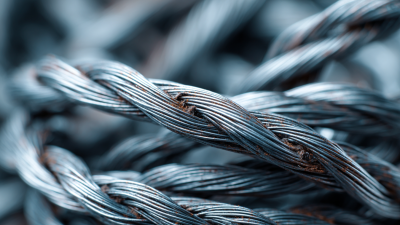
Metallized Wire has become an integral component in various industries, thanks to its unique properties and versatile applications. As we look ahead to 2025, the trends shaping the future of Metallized Wire are not only reflecting technological advancements but also a growing demand for innovative solutions across multiple sectors. From telecommunications to electronics, the evolving landscape of Metallized Wire applications is set to redefine industry standards.
In recent years, industries have increasingly leveraged the benefits of Metallized Wire, including enhanced conductivity, lightweight design, and improved resistance to environmental factors. These attributes have positioned Metallized Wire as a preferred choice for manufacturers seeking to optimize performance and efficiency in their products. The forecast for 2025 indicates a surge in innovation, driven by the ongoing research and development efforts aimed at expanding the capabilities of Metallized Wire.
As we delve deeper into the trends anticipated for Metallized Wire applications, it's important to consider the implications of these innovations not only for production but also for sustainability and cost-effectiveness. This article will explore the emerging trends and transformative technologies that are poised to take Metallized Wire applications to the next level in the coming years.

Current State of Metallized Wire Applications in Various Industries
Metallized wire applications have gained significant traction across various industries, driven by advancements in manufacturing techniques and an increasing demand for lightweight and efficient materials. In the automotive sector, metallized wires are utilized for making electrical connections in hybrid and electric vehicles, where the reduction of weight directly impacts energy efficiency. Their unique properties, such as enhanced conductivity and resistance to corrosion, allow manufacturers to create robust wiring solutions that support the growing trend toward sustainable transportation.
In the electronics industry, metallized wires are becoming indispensable due to their thermal management capabilities and electromagnetic shielding features. Their use in consumer electronics, such as smartphones and laptops, ensures the integrity of electronic signals while managing heat dissipation effectively. Additionally, the telecommunications sector has embraced metallized wires for high-frequency applications, where signal loss must be minimized. As industries continue to innovate, the versatility of metallized wire will likely foster new applications, contributing to enhanced performance and sustainability across technological domains.
Top 2025 Trends in Metallized Wire Applications
Advancements in Metallization Processes for Wire Manufacturing
Recent advancements in metallization processes are transforming the manufacturing landscape of wires, enhancing their applications across various industries. Innovative techniques such as electroplating, physical vapor deposition, and chemical vapor deposition are gaining traction for their ability to produce high-quality metallized wires with superior conductivity and durability. These processes allow for the deposition of metal layers with precise thickness control, reducing material waste and improving efficiency in production.
Furthermore, the integration of nanotechnology in metallization processes is paving the way for wires with enhanced properties, such as increased flexibility and corrosion resistance. Researchers are exploring the use of nanoparticle-infused coatings to develop wires that can withstand extreme environmental conditions, making them suitable for applications in aerospace, automotive, and renewable energy sectors. As industries seek to deliver more robust and lightweight solutions, these innovations in metallization will play a crucial role in addressing the growing demands for performance and sustainability in wire manufacturing.
Emerging Applications of Metallized Wire in Technology and Electronics
The landscape of technology and electronics is being transformed by the innovative use of metallized wire, which has emerged as a critical component in various applications. These wires, coated with a thin layer of metal, offer superior electrical conductivity and enhanced durability, making them ideal for use in advanced electronic devices. From automotive sensors to telecommunications, metallized wire is paving the way for more efficient and compact designs, thereby meeting the growing demands for miniaturization in electronic components.
One of the most exciting emerging applications is in the realm of flexible electronics. Metallized wires can be integrated into wearable technology, allowing for lightweight, flexible circuits that mold comfortably to the user's body. This flexibility not only enhances comfort but also opens up avenues for innovative designs in smart textiles, where functionality and style converge. Another significant area is in 5G technology, where metallized wire plays a crucial role in the efficient transmission of high-frequency signals, ensuring faster and more reliable connectivities.
Tips for integrating metallized wire in projects include ensuring proper insulation to minimize interference and adopting design strategies that accommodate thermal expansion. Additionally, staying informed about the latest advancements in materials science can provide insights that enhance performance and reliability in your applications. As industries continue to explore the potential of metallized wire, staying ahead of these trends can drive innovation in your own projects.
Sustainability Trends in Metallized Wire Production and Usage
The evolution of metallized wire production is being significantly influenced by sustainability trends that aim to minimize environmental impact while enhancing product functionality. Advancements in manufacturing processes are focused on reducing energy consumption and waste generation. Techniques such as eco-friendly coating methods and the use of recycled materials in wire production are gaining traction. These methods not only lower the carbon footprint but also promote a circular economy, where materials are reused and repurposed.
Furthermore, the application of metallized wire in various industries is increasingly aligning with sustainable practices. In sectors such as electronics and automotive, there is a growing demand for lightweight, durable, and high-conductivity materials that meet green technology standards. Innovations in metallized wire, such as the development of biodegradable insulation and efficient energy transfer capabilities, highlight a shift toward environmentally conscious product design. By focusing on these trends, manufacturers are able to contribute to sustainability while meeting the evolving needs of consumers and industries.
Innovations in Coatings and Materials for Enhanced Wire Performance
The metallized wire market is witnessing significant innovations in coatings and materials that are poised to enhance wire performance across various applications. According to a recent industry report by Research and Markets, the global market for advanced metallized wires is projected to grow at a CAGR of 6.5% from 2023 to 2028, driven by increased demand in sectors such as telecommunications, automotive, and renewable energy. These innovations are largely centered around improved insulation materials and enhanced conductive coatings that offer superior durability and efficiency.
Innovative coatings are at the forefront, designed to provide not only protective qualities against environmental degradation but also to improve thermal and electrical conductivity. For instance, nanotechnology in coating processes has enabled the development of thinner, more effective layers that reduce energy loss, as highlighted in a study published by the International Journal of Electrical Engineering. These advancements are crucial for applications where performance and reliability are non-negotiable, such as in electric vehicle wiring systems and high-frequency communication lines. The integration of these cutting-edge materials is expected to set new standards in wire performance, making metallized wires more competitive in the ever-evolving technological landscape.
Market Forecast for Metallized Wire: Demand and Growth Areas
The metallized wire market is poised for substantial growth in the coming years, driven by increasing applications in sectors such as electronics, automotive, and telecommunications. According to industry reports, the global metallized wire market is projected to reach $3.1 billion by 2025, with a compound annual growth rate (CAGR) of 6.5% from 2020 to 2025. This growth can be attributed to the rising demand for lightweight and high-performance materials that offer enhanced electrical conductivity and thermal properties, essential for next-generation devices.
Emerging trends include the integration of metallized wires in advanced manufacturing processes, particularly in the production of flexible circuits and smart textiles. A report by Market Research Future indicates that the adoption of metallized wire in flexible electronics is expected to expand significantly, with an estimated market share increase of approximately 20% by 2025. Additionally, sustainability is becoming a priority, leading manufacturers to innovate eco-friendly production methods. As a result, the sector is witnessing a shift towards recyclable materials and processes that reduce environmental impact, catering to an increasingly eco-conscious customer base. This multifaceted growth reveals the diverse opportunities in metallized wire applications, highlighting the market's dynamic landscape and potential for innovation.
Challenges and Opportunities in Metallized Wire Innovations for 2025
The metallized wire industry is poised for significant transformation by 2025, driven by both unique challenges and emerging opportunities. As per recent market analysis, the global metallized wire market is expected to grow at a compound annual growth rate (CAGR) of 6.5% between 2023 and 2028, driven largely by advancements in manufacturing techniques and an increasing demand across various sectors, including telecommunications, automotive, and renewable energy. However, the industry faces several challenges, such as the rising cost of raw materials and stringent regulatory environments that could impact production capabilities.
One of the foremost opportunities lies in the integration of innovative technologies like AI and IoT in manufacturing processes. Automating the production of metallized wires could enhance efficiency and reduce waste, thus overcoming the raw material cost hurdle. Research indicates that companies adopting such technologies could realize production cost reductions of up to 20%. Furthermore, the increasing emphasis on sustainable practices presents a significant avenue for growth. With environmental concerns taking center stage, technologies that reduce energy consumption during the wire production process will become invaluable. The ability to produce eco-friendly metallized wires could not only comply with future regulations but also open new markets dedicated to green technologies.
Top 2025 Trends in Metallized Wire Applications and Innovations - Challenges and Opportunities in Metallized Wire Innovations for 2025
| Trend Category |
Description |
Challenges |
Opportunities |
Expected Impact |
| Automotive Applications |
Increase in use of metallized wires in electric vehicles for weight reduction and efficiency. |
High costs of raw materials and technological adaptation. |
Expansion of the EV market creates demand for innovative solutions. |
Improved vehicle performance and reduced emissions. |
| Consumer Electronics |
Enhanced performance of smartphones and wearables through lightweight metallized wires. |
Rapid technological changes and shorter product life cycles. |
Growing demand for portable and high-performance devices. |
Increased market share in next-gen electronics. |
| Telecommunication |
Use of metallized wires in high-speed data transmission and antennas. |
Compatibility issues with existing infrastructure. |
Opportunity to upgrade networks to meet increasing data demands. |
Enhanced connectivity and reduced latency in services. |
| Medical Devices |
Implementation of metallized wires in wearable health monitoring devices. |
Regulatory hurdles and patient safety concerns. |
Growing telemedicine and health consciousness boosts demand. |
Improved healthcare outcomes and patient monitoring capabilities. |
| Renewable Energy |
Utilization of metallized wires in solar panels and wind turbines. |
High initial investment and installation complexity. |
Incentives for green technology adoption and growing investment. |
Contributes to sustainability and energy efficiency initiatives. |
FAQS
: Metallized wires are used for making electrical connections in hybrid and electric vehicles, where reducing weight enhances energy efficiency.
In the electronics industry, metallized wires are essential for thermal management and electromagnetic shielding, helping to maintain signal integrity and manage heat dissipation in devices like smartphones and laptops.
Metallized wires are utilized in telecommunications for high-frequency applications to minimize signal loss, ensuring effective communication.
The global metallized wire market is expected to grow at a compound annual growth rate (CAGR) of 6.5% from 2023 to 2028.
The industry faces challenges such as rising raw material costs and stringent regulatory environments that may impact production capabilities.
Significant opportunities include integrating innovative technologies like AI and IoT in manufacturing, which can enhance efficiency, reduce waste, and lower production costs.
Increasing focus on sustainability can drive growth by enabling the production of eco-friendly metallized wires, helping companies comply with regulations and open new markets in green technologies.
Companies adopting automated manufacturing technologies could realize production cost reductions of up to 20%.
Their unique properties, such as enhanced conductivity and corrosion resistance, make metallized wires applicable across various sectors, supporting innovations and sustainability efforts.
By reducing weight in vehicle applications, metallized wires help improve energy efficiency, aligning with the trend towards sustainable transportation solutions.
Conclusion
The article "Top 2025 Trends in Metallized Wire Applications and Innovations" explores the evolving landscape of metallized wire across multiple industries. Starting with the current state of applications, it highlights the advancements in metallization processes that enhance wire manufacturing. The emerging applications in technology and electronics showcase the versatility and potential of metallized wire in modern innovations.
Furthermore, the article addresses sustainability trends, emphasizing the importance of eco-friendly practices in production and usage. Innovations in coatings and materials are discussed, detailing how they contribute to improved performance. A market forecast outlines demand growth areas, while challenges and opportunities in metallized wire innovations for 2025 are critically assessed, providing insights into the future of this promising field.